
Last updated November 23, 2026
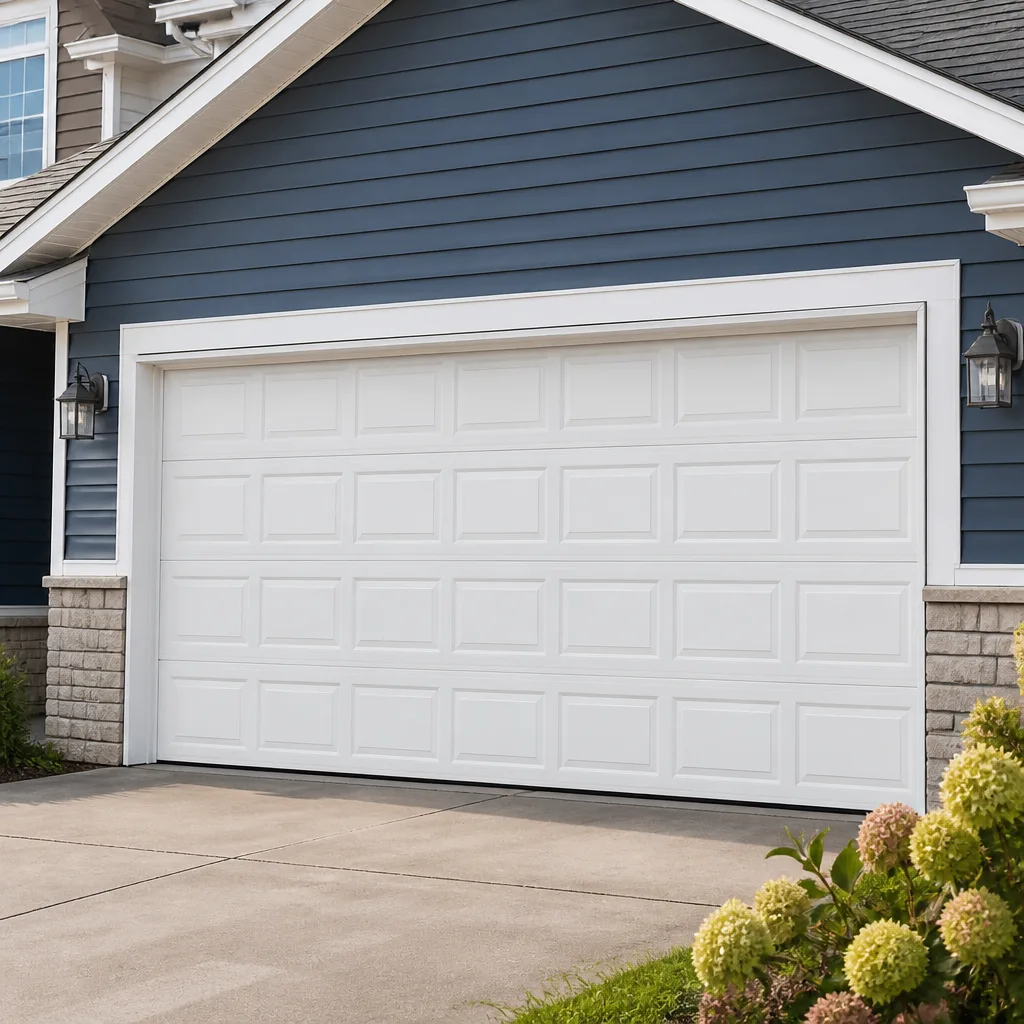 Raised-panel steel
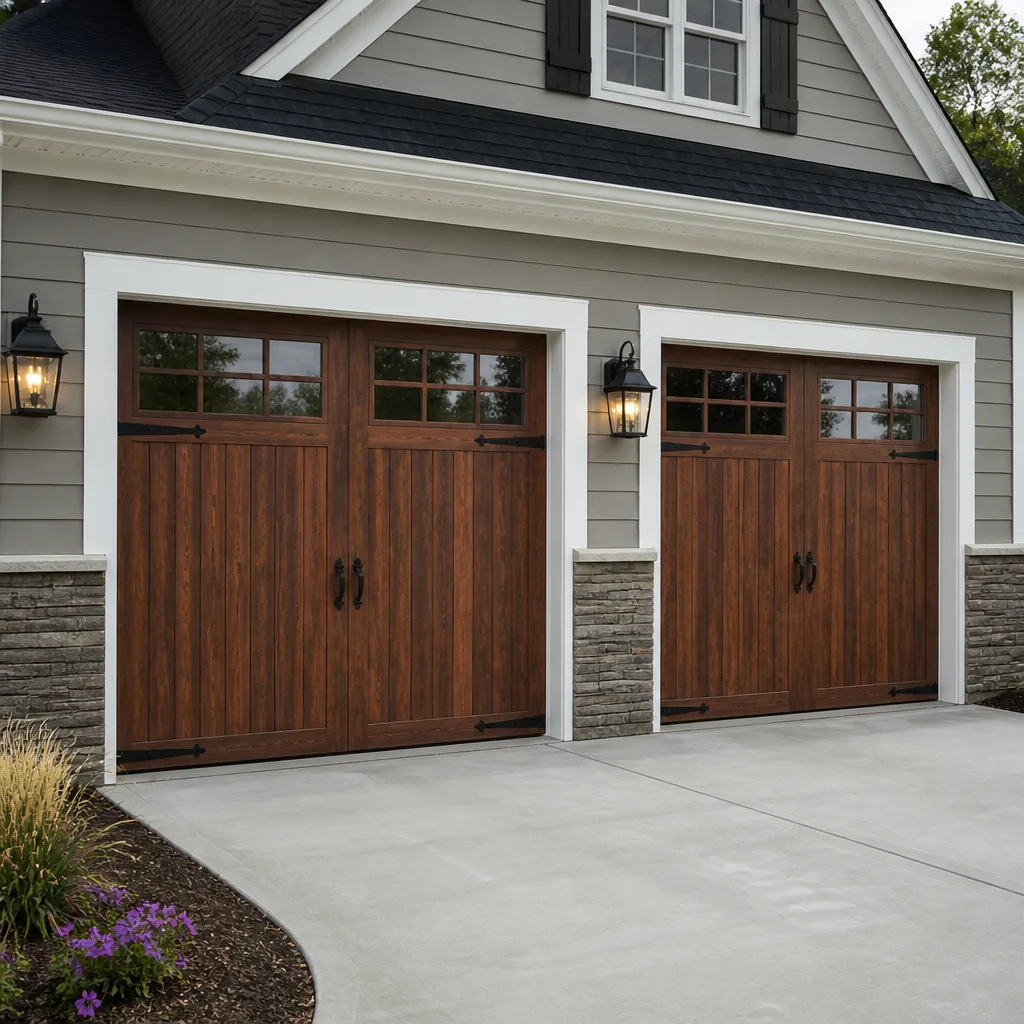 Carriage house
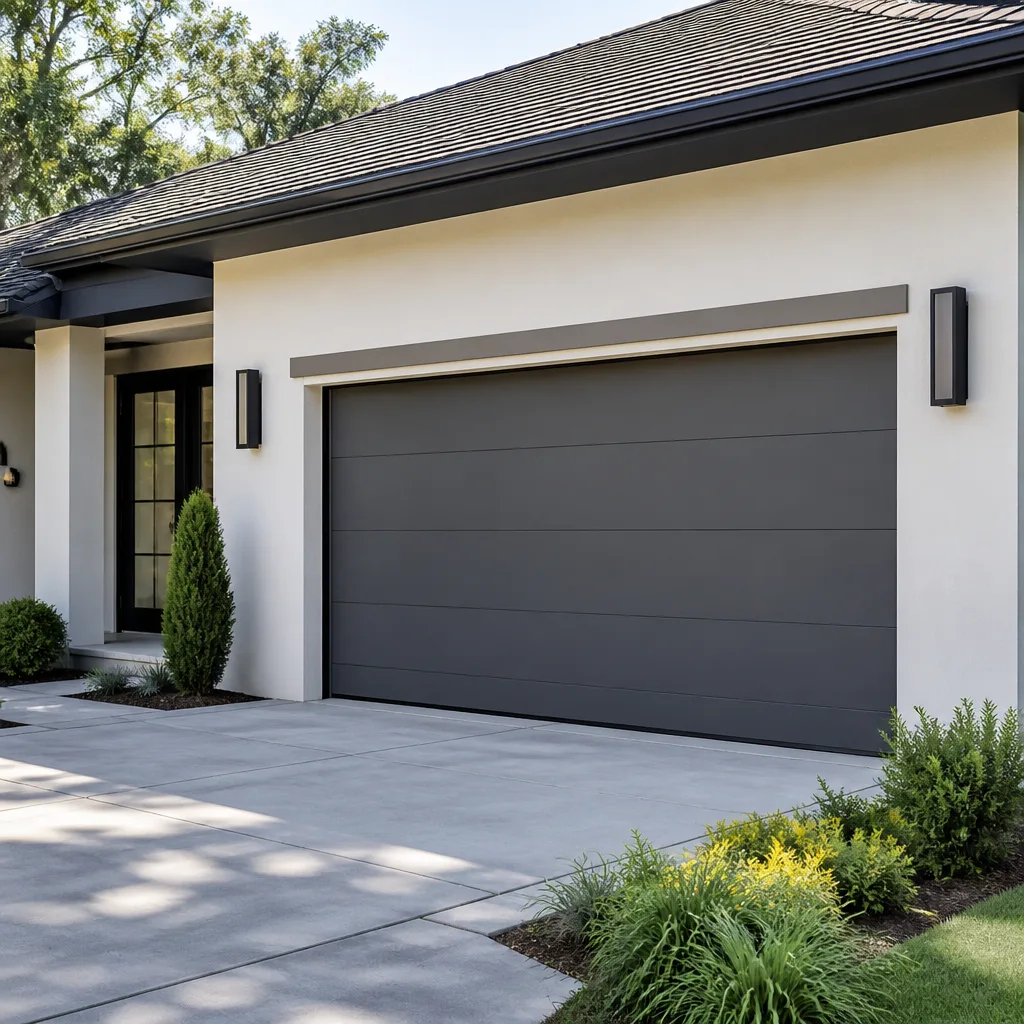 Modern flush
 Full-view glass
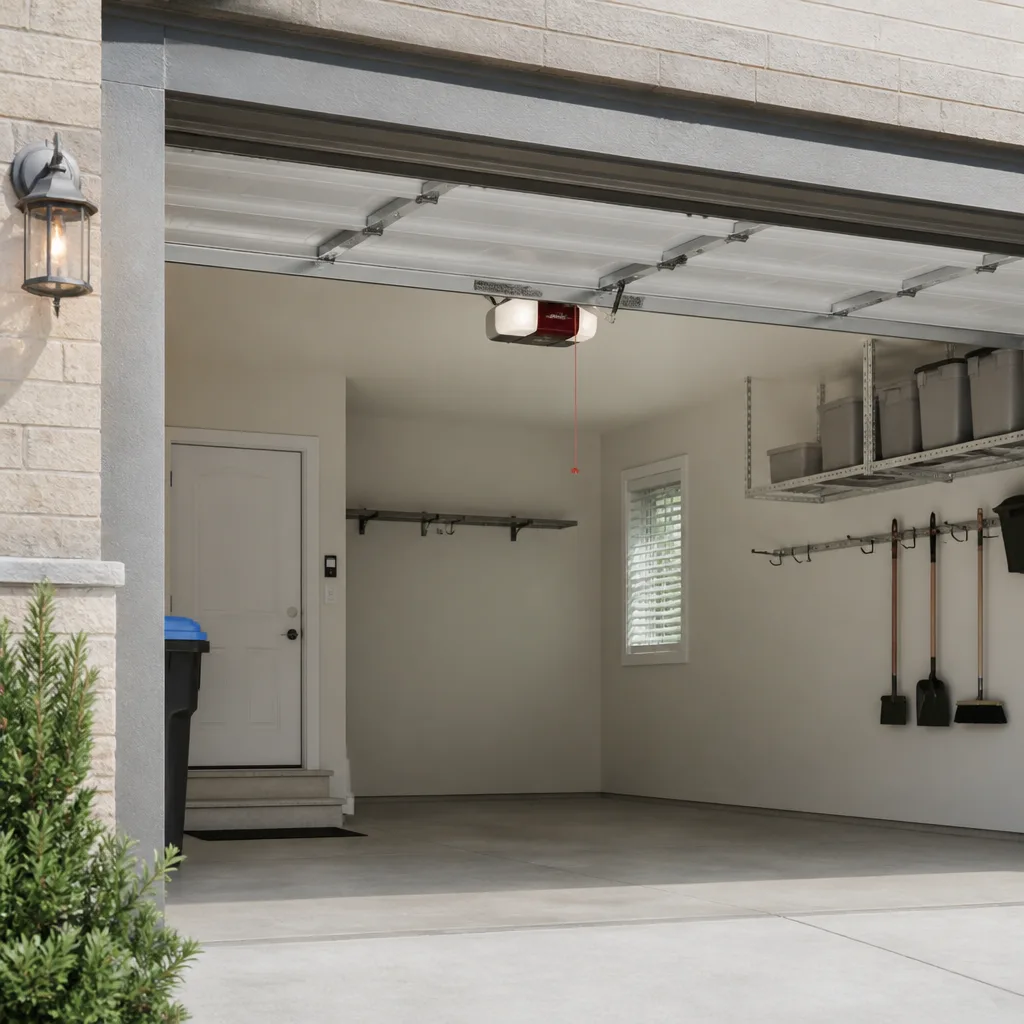 LiftMaster openers
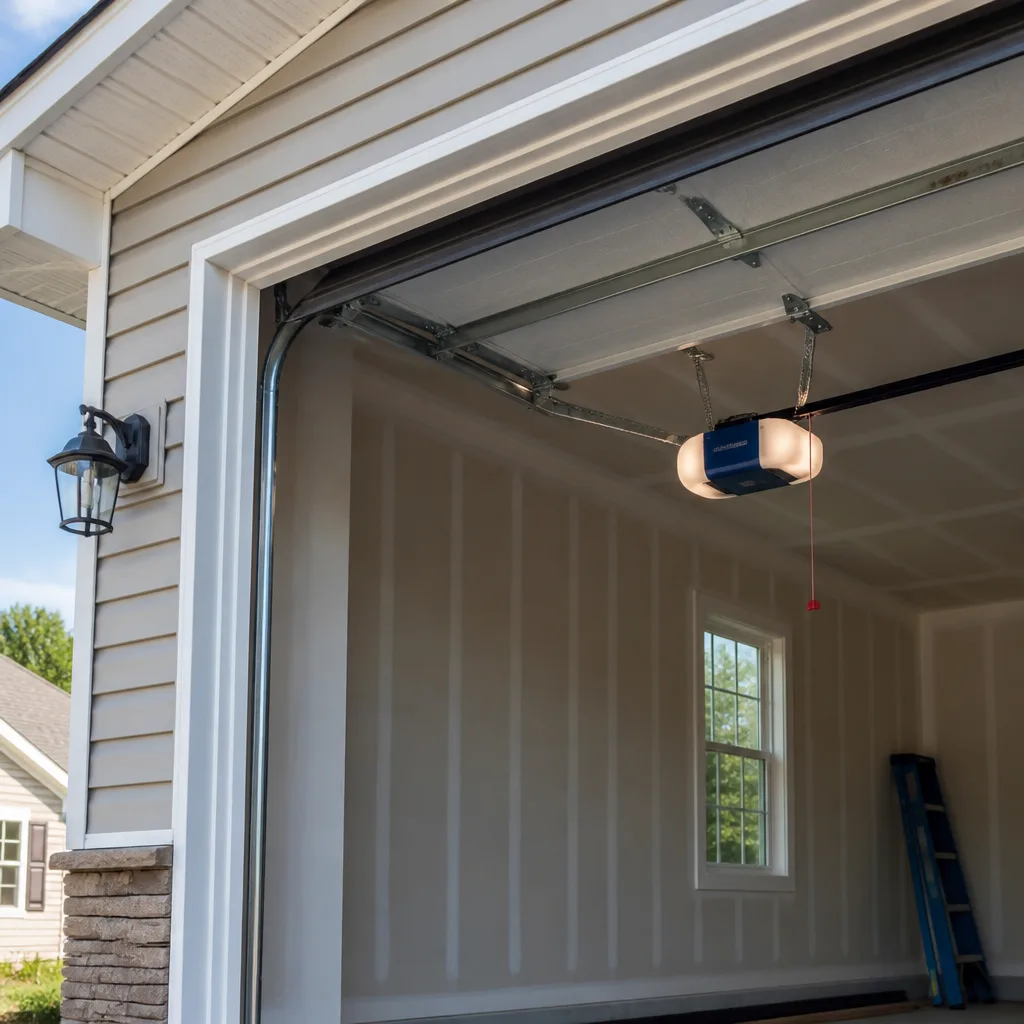 Chamberlain openers
Full 25-point door and opener safety check with every visit - springs, cables, rollers, tracks, and your LiftMaster or Chamberlain opener included
You get a price before we start. It does not change when the pro arrives.
Get your free estimateGarage Door Repair Maintenance Checklist for Shakopee Homeowners
Most garage door breakdowns aren’t surprise failures. They’re ignored warnings. The rattle that started back in fall and “seemed fine” is usually the same rattle that leaves a door stuck halfway up on a cold January morning with the car trapped inside. A torsion spring doesn’t snap without warning; it loses tension slowly, and the door gets heavier a little at a time until one day the opener can’t lift it. In Shakopee, where winters swing hard between thaw and deep freeze, those warnings show up faster than in milder climates. This guide gives you a real checklist with pass-or-fail thresholds for each item, so you know not just what to look at but what to do when something’s off. You’ll learn the two-finger spring test, how to read cable wear, a lubrication schedule built for sub-zero temps, and the one safety test to run twice a year.
Quick Answer
A garage door maintenance checklist for Shakopee homeowners should cover seven areas: spring tension, cable condition, rollers and hinges, weather seal integrity, track alignment, opener force and safety reversal, and lubrication. Check springs and cables monthly by sight, run the safety reversal test twice a year, lubricate moving parts twice a year with a cold-rated product, and inspect the bottom seal every spring after frost heave season. Anything that fails its threshold gets repaired before the next hard freeze.
Styles & brands we work with
- Raised-panel steel
- Carriage house
- Modern flush
- Full-view glass
- LiftMaster openers
- Chamberlain openers
Table of Contents
- Spring Tension: The Two-Finger Test
- Cable Condition: Worn vs. Compromised
- Weather Seal Failure and Frost Heave
- Lubrication Schedule for Cold Weather
- The Safety Reversal Test
- Rollers, Hinges, and Track Alignment
- Opener Inspection and Force Settings
- Common Mistakes to Avoid
Spring Tension: The Two-Finger Test
Torsion springs are the most dangerous part of any garage door system, and they’re also the first component to tell you something’s wrong if you know how to listen. You can check spring tension without touching the spring itself. Here’s how the two-finger test works.
Step 1: Disconnect the opener by pulling the red emergency release handle. The door should now move by hand only.
Step 2: Lift the door about halfway up, then let it rest.
Step 3: With two fingers, lift the door slightly. A healthy spring should let you raise the door with minimal effort and hold it in place when you stop.
Step 4: Let go. A properly tensioned door stays put or drifts down slowly. A door that slams down, or one you can barely lift with both hands, has a spring problem.
What the results mean:
- Door lifts easily and stays put: Springs are healthy. Check again next month.
- Door is very heavy or won’t stay up: The spring has lost tension or is broken. Stop using the opener and schedule garage door spring repair.
- Door lifts unevenly or binds: Could be a spring, could be a track or roller. Either way, it needs a professional look.
Never try to adjust or replace a torsion spring yourself. The stored energy in a wound spring can cause serious injury, and the correct winding requires specific tools and training. This is work for a trained technician, full stop.
Cable Condition: Worn vs. Compromised
Cables run from the bottom corners of the door up to the springs or drums, and they carry the full weight of the door alongside the springs. A worn cable is a maintenance item. A compromised cable is a safety hazard that can fail without warning, and when a cable lets go the door can drop or come off track entirely.
What “worn” looks like:
- Frayed strands near the drum or bottom bracket, like a worn rope with fuzzy edges
- Mild rust spots on the surface of the cable
- Slight slack on one side compared to the other
Worn cables should be replaced at the next service visit. They’re on their way out, but they’re not a today-emergency.
What “compromised” looks like:
- Multiple broken strands or a visible kink in the cable
- Cable hanging loose or off the drum
- Door sitting visibly crooked, one side higher than the other
- A loud snap followed by a door that won’t open
If you see any of the compromised signs, stop operating the door. Don’t try to force it open or closed. Call for service and leave the door where it is. A compromised cable is one of the few garage door problems where waiting is genuinely dangerous.
Shakopee’s freeze-thaw cycles matter here. Metal cables expand and contract with temperature swings, and moisture that gets into the cable sheath during a January thaw can freeze and stress the strands when the temperature drops again. Cables on doors that face the street and catch wind and snow need a closer look than doors on a sheltered side.
Weather Seal Failure and Frost Heave
Most homeowners know to check the bottom weather seal for cracks and gaps. What they miss in Shakopee is frost heave. When the ground freezes and expands, it lifts the garage floor slab unevenly, and the door’s bottom seal that was flush in November is suddenly sitting on a bump that leaves a gap on either side. That gap lets in cold air, snow, water, and pests, and it forces the door to work harder every time it closes.
How to check for frost-heave seal failure:
- Close the door completely and look at the bottom edge from inside the garage with a flashlight.
- Check for daylight or a visible gap along the full width of the seal.
- Run your hand along the bottom edge. You should feel consistent pressure against the floor all the way across.
- Look for a seal that’s compressed flat on one side and untouched on the other. That’s a heave signature.
- Check the sides and top seals for cracks or separation too. UV degradation cracks seals from the outside in; frost heave lifts them from below.
Pass: Even contact along the bottom, no visible gaps, seal pliable and intact.
Fail: Any gap you can see light through, a hardened or cracked seal, or a seal pressed flat on one end. Replace the seal, and if the floor slab has heaved significantly, the door may need adjustment to clear it.
A failing seal isn’t just an energy problem. In Shakopee it’s a path for meltwater into the garage, and repeated freeze-thaw on a wet threshold accelerates damage to the door’s bottom panel. Fix seals in spring or early fall, before the ground moves again.
Lubrication Schedule for Cold Weather
Standard garage door lubricant can turn gummy or freeze in sub-zero temps, and a stiff hinge or roller puts extra load on the opener and springs. The right product matters as much as the schedule. Use a silicone-based or lithium-complex grease rated for cold temperatures, not a general-purpose oil or WD-40. Those are fine for loosening a stuck bolt, not for lubricating a garage door in Minnesota.
Lubrication schedule by component:
- Hinges: Two to three drops of cold-rated lubricant at each hinge pivot, twice a year (spring and fall).
- Rollers: Light coat on the roller stems only. Don’t lube the roller wheels themselves on nylon rollers; they’re self-lubricating. Steel rollers need a small amount at the bearing.
- Torsion spring coils: A light coat of lubricant on the coils reduces friction and slows rust. This is a spray-and-wipe job, never a disassembly.
- Track: Do not lubricate the track surface. It collects dirt and grime. Wipe it clean with a dry cloth instead.
- Opener rail and chain or belt: Follow the manufacturer’s spec. Most LiftMaster and Chamberlain belt-drive units need no lubrication on the belt; chain drives benefit from light grease once a year.
In Shakopee, plan the fall lubrication for late October, before the first hard freeze. Plan the spring one for late April, after the ground has settled. If you hear squealing or grinding between those dates, lubricate the specific component and check again in a week.
The Safety Reversal Test
This is the one test every homeowner should run twice a year, and it’s the one most people skip because they don’t know what a passing result actually looks like. The safety reversal system is what stops your door from closing on a person, a pet, or an object. If it fails, you may not know until the day it matters.
How to run it:
- Open the door fully, then close it using the wall control or remote.
- As the door comes down, wave a broom handle or a piece of 2×4 flat on the ground in the door’s path.
- The door should reverse direction immediately and return to open.
- If the door doesn’t reverse, or if it stops and stays down, the system has failed.
- Repeat the test monthly for the first few months after any opener adjustment or repair.
What a passing result looks like: The door reverses the instant the object is detected, without hesitation or grinding. It should travel all the way back to the open position and stop cleanly. A door that reverses late (after touching the object but not crushing it) is technically functional but borderline; have it checked.
What a failing result looks like: The door continues down, stops partway, or reverses only after making firm contact with the object. Any of these means the opener’s force or travel limits need adjustment, or the safety sensors are misaligned, dirty, or dead. Don’t use the door until it’s fixed. Modern openers from LiftMaster, Chamberlain, and Genie all include this safety system, and it’s adjustable, but if you’re not sure how to set it, call a technician. This is garage door opener repair territory, not a DIY fix.
Rollers, Hinges, and Track Alignment
These are the moving parts that take the most abuse and the ones most likely to fail slowly. They don’t usually break all at once; they wear until something binds or pops.
Rollers: Look for flat spots, cracks, or wobble. Nylon rollers last longer than steel in cold climates because they don’t rust, but they can crack in deep cold if they’re old. Steel rollers develop flat spots and get noisy. If a roller wobbles in its stem, it’s failing.
Hinges: Check that the hinge plates are tight against the door panels and the pivot pins aren’t worn. A loose hinge puts stress on the panel, and hinge failure can bend a section of door.
Track alignment: Stand back and look down the length of each track from inside the garage. The vertical sections should be plumb and the horizontal sections level. Look for dents, bends, or a gap between the track and the door frame. If the door binds at the same spot every time, the track is out of alignment or a roller is jammed. Don’t try to bend a track back into place with a hammer; it usually makes things worse.
Pass: Door runs smoothly, no binding, no wobble, tracks straight and tight.
Fail: Visible bend, door rubbing, or consistent noise at one point in travel. That’s a repair call.
Shakopee’s temperature swings are hard on hinges and rollers. Thermal expansion in steel track is small but real, and a track that’s snug in July can develop a bind by January. Check alignment in fall as temperatures drop.
Opener Inspection and Force Settings
The opener is the part of the system most homeowners notice, but it’s usually the last thing to actually be the problem. When a door stops working, the opener is usually responding to something else (a broken spring, a bound track, a failed sensor). Still, the opener has its own wear points worth checking on a schedule.
What to inspect:
- Force settings: Openers have up/down force limits. If they’re set too high, the door can close on an object with too much pressure. If too low, the door won’t fully close. Test the reversal before adjusting anything, and if the door stops short or reverses on its own, the force needs adjustment.
- Safety sensors: The two photo-eye sensors at the bottom of the track should have a clear line of sight and a steady indicator light when nothing is between them. Wipe the lenses, realign if crooked, and check the wiring for loose connections.
- Battery backup: Many recent openers from LiftMaster and Chamberlain include a battery backup, useful in Shakopee power outages. Test it once a year by unplugging the opener and confirming it still cycles the door.
- Chain or belt tension: Should have a small amount of slack (about half an inch on chain drives) and no sag. A too-tight or too-loose drive wears faster.
- Mounting and hardware: The opener should be secure to the ceiling and the rail should not sag or vibrate on operation.
If the opener runs but the door doesn’t move, or if it cycles inconsistently, the problem may be in the door system, not the opener. That’s why diagnosing the full mechanism matters more than replacing one part and hoping. If you’d rather have a technician sort it out, a call for garage door opener repair is the right move when the door won’t budge on its own.
Common Mistakes to Avoid
- Trying to adjust or replace torsion springs yourself. The springs store enough energy to cause serious injury if they slip, and proper tools are required. This is a trained-technician job. Leave it. This guide’s spring and cable sections are meant for inspection and reporting, never for repair.
- Lubricating the track surface. It collects grit and makes the door slower, not faster. Lube the moving parts, clean the track.
- Using general-purpose oil or WD-40 as garage door lubricant. In Shakopee winters these turn gummy and freeze. Use cold-rated silicone or lithium-complex grease.
- Skipping the reversal test because the door “seems fine.” A failing reversal test is the single most dangerous thing a homeowner can miss. Twice a year, no exceptions, especially before winter.
- Assuming the opener is broken when the door is the problem. A heavy door or one that reverses on its own usually means a spring or track issue, not a dead opener. Diagnose the whole system before buying parts.
- Ignoring frost-heave gaps in the bottom seal. A small gap in November becomes an icy threshold by January, and that freezes the door to the floor. Fix seals after the thaw, not after the freeze.
- Forcing a door that’s stuck, crooked, or making grinding noises. If the door is binding or the cable is loose, stop and call. Forcing it can bend a panel or damage the opener and turn a repair into a garage door repair job on the whole assembly.
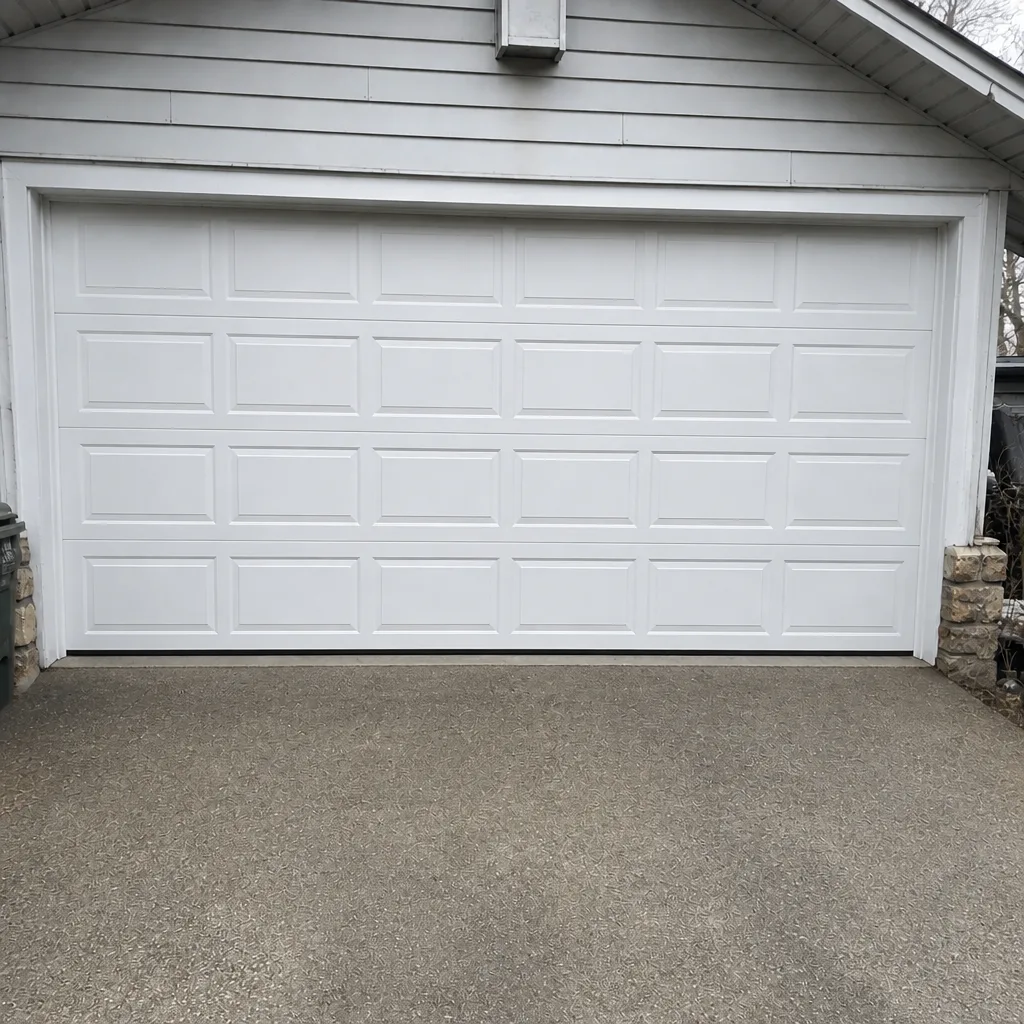
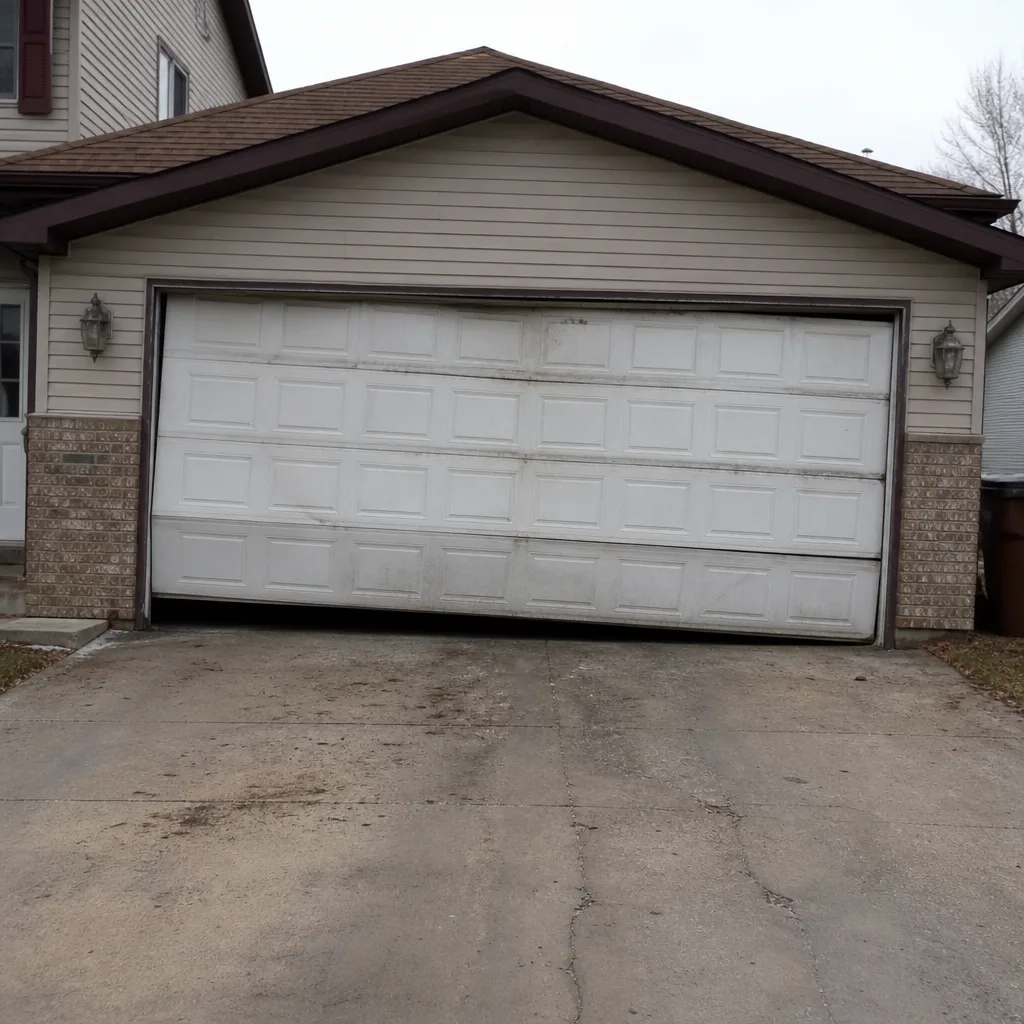
See the difference
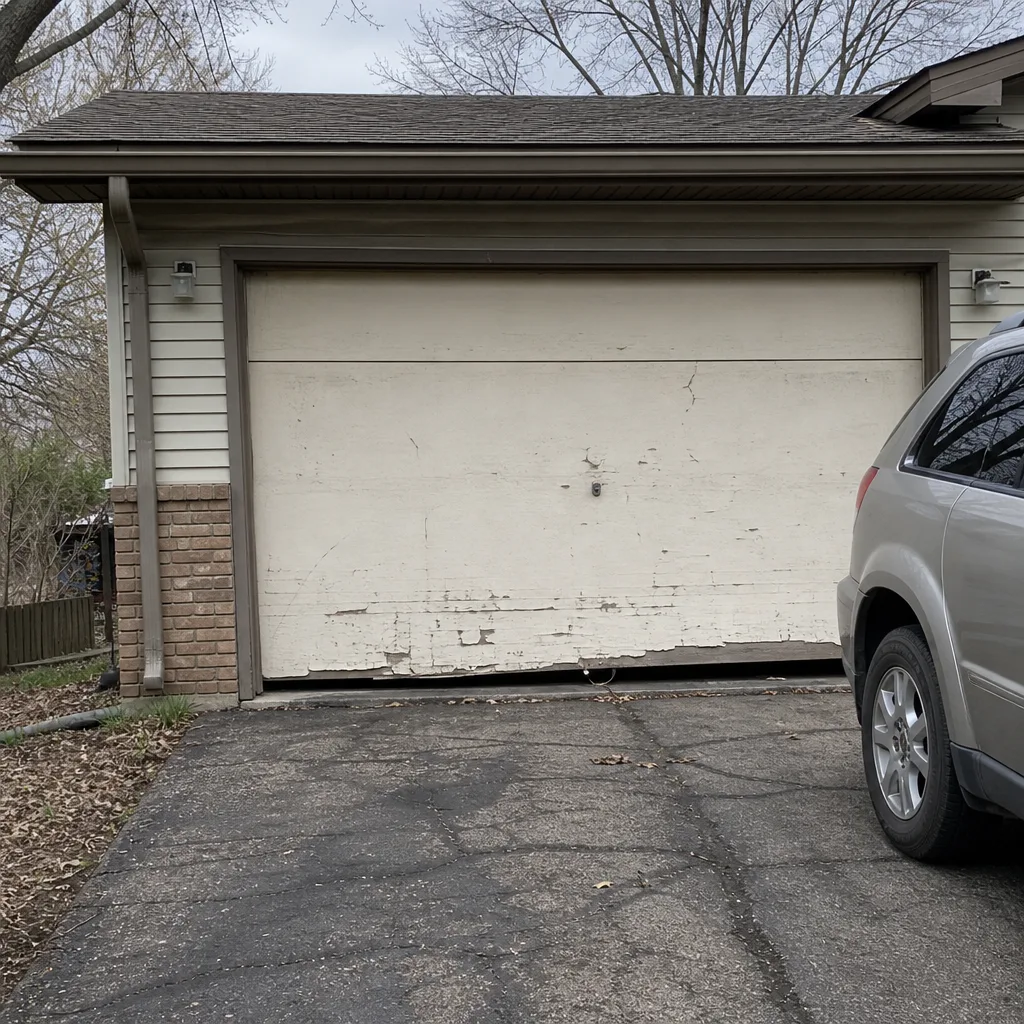 Before
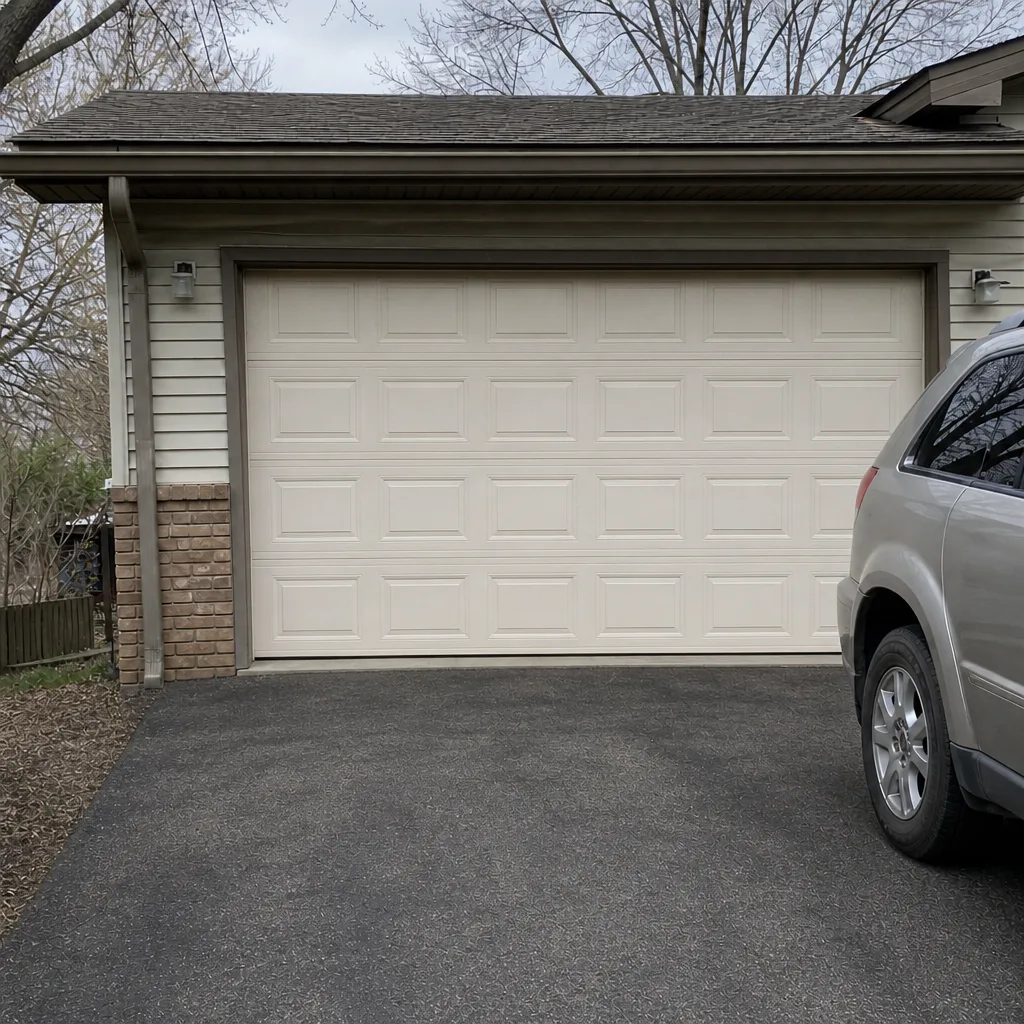 After
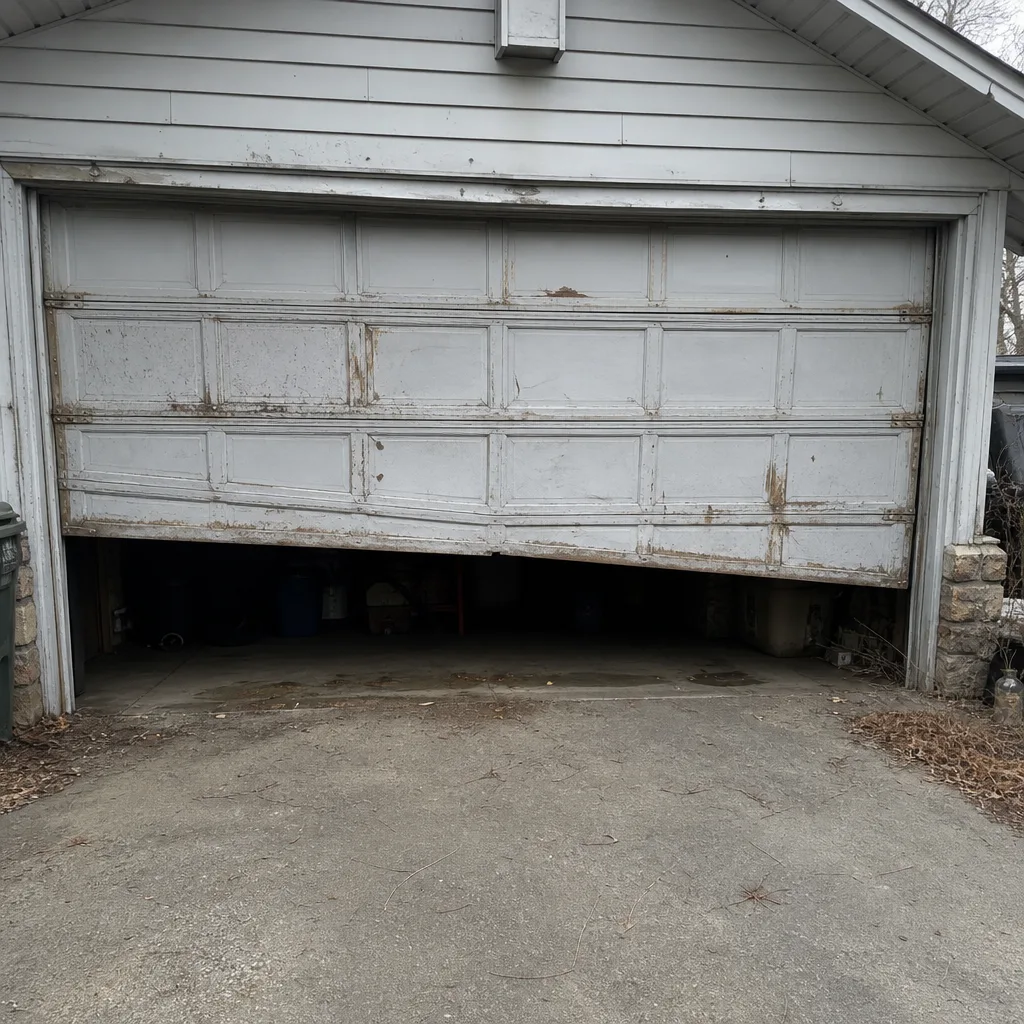 Before
 After
 Before
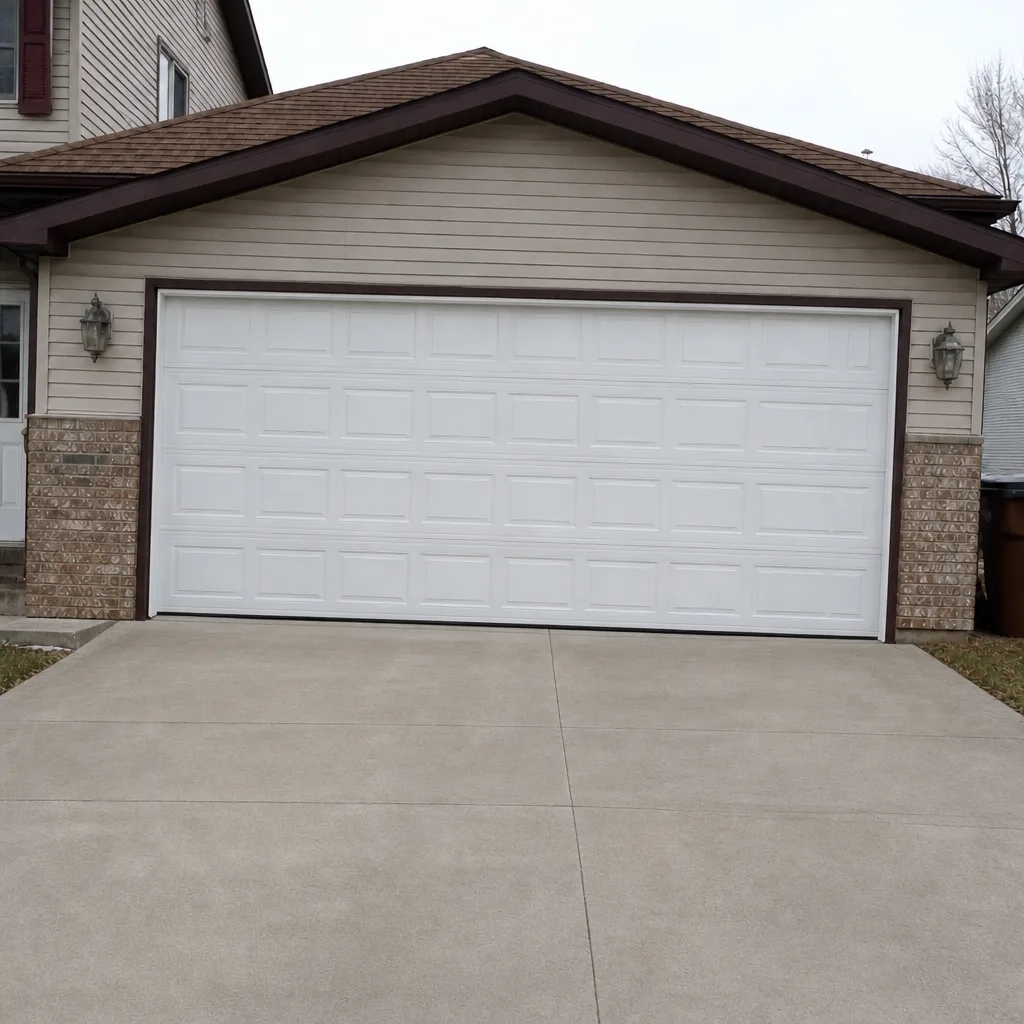 After
When to Call a Professional
Some checks are for you. Some failures are for a technician. Call a professional for any of these: a door you can’t lift with two fingers, a cable that’s kinked or hanging loose, a door that sits crooked or comes off track, a torsion spring that’s visibly broken, an opener that fails the release test, or a reversal system that won’t respond. Also call when you’re facing an emergency (the door stuck halfway, or open and won’t close) – that’s what emergency garage door service is for, and getting a stuck door secured quickly prevents further damage. If you’re planning a replacement and want to know what’s involved, our page on garage door installation covers the process. Garage Door Repair Shakopee offers free estimates in Shakopee – call (866) 479-4598. We answer 24/7. Fast dispatch from 7am to 7pm, Sunday through Friday. We work on the brands already in your garage, from Raynor to Genie, and our technicians have up to 14 years of experience diagnosing doors and openers as one system.
Frequently Asked Questions
Visually check the springs monthly, and run the two-finger tension test every three to four months. Springs are the most common point of failure on a residential door, and in Shakopee’s climate the tension cycles more sharply than in milder areas. If you notice the door getting heavier, that’s a signal to test immediately rather than wait for the next scheduled check.
Frost heave is the likely cause. When the ground freezes, the slab under the door can lift unevenly, and the seal loses contact on one side. UV damage also cracks seals over time, but the frost-heave gap shows up as an uneven or daylight-visible gap along the bottom. Replace worn seals after the thaw and check clearance again in fall.
The door should reverse direction the instant an object is in its path, without waiting to make firm contact. A passing test means the door reverses cleanly and returns fully open, with no grinding or hesitation. If the door continues down, stops, or reverses only after touching the object, the opener’s force or travel limits need adjustment, or the safety sensors need attention. Call (866) 479-4598 if the test fails – estimates are free.
No. General-purpose oil and WD-40 aren’t made for garage doors and can stiffen or freeze in sub-zero temps. Use a silicone-based or lithium-complex grease rated for cold weather, applied at the hinges, roller stems, and spring coils. Wipe the track clean instead of lubricating it. If your door is binding after lubrication, the issue is mechanical and worth a professional look.
It’s usually the safety reversal system, not the opener itself. A dirty or misaligned photo-eye sensor, or a reversal setting that’s too sensitive, will make the door stop and reverse. Check the sensor lenses and alignment first, and test the reversal with an object in the path. If the sensors look fine and the door still won’t close, an opener adjustment or repair is likely needed. Call (866) 479-4598 for an exact quote – estimates are free.
It depends on the failure. A single broken spring or a worn seal is a straightforward repair worth doing. A door with bent panels, a badly damaged track, or a failing opener on an aging system may push the cost toward replacement. A technician can walk through both options during a free estimate so you can see the actual numbers before deciding. Call (866) 479-4598 if you’d like that comparison.
The Bottom Line
Most garage door failures give you weeks of warning before they happen, and Shakopee’s freeze-thaw cycles compress that warning window. Run the two-finger spring test monthly. Check cables for visible damage, not just rust. Test the bottom seal after frost heave season. Lubricate with a cold-rated product in fall and spring. And run the reversal test twice a year, because that’s the one that protects the people and pets in your household. Everything that passes, you can leave alone. Anything that fails, don’t force it. Our team handles the repair side of the checklist, the door and the opener together, with free estimates so you know the cost before any work starts. For repair work, call (866) 479-4598. We answer 24/7. Fast dispatch from 7am to 7pm, Sunday through Friday. Visit Garage Door Repair Shakopee to see what we cover.
Written by the team at Garage Door Repair Shakopee.