
Last updated November 23, 2026
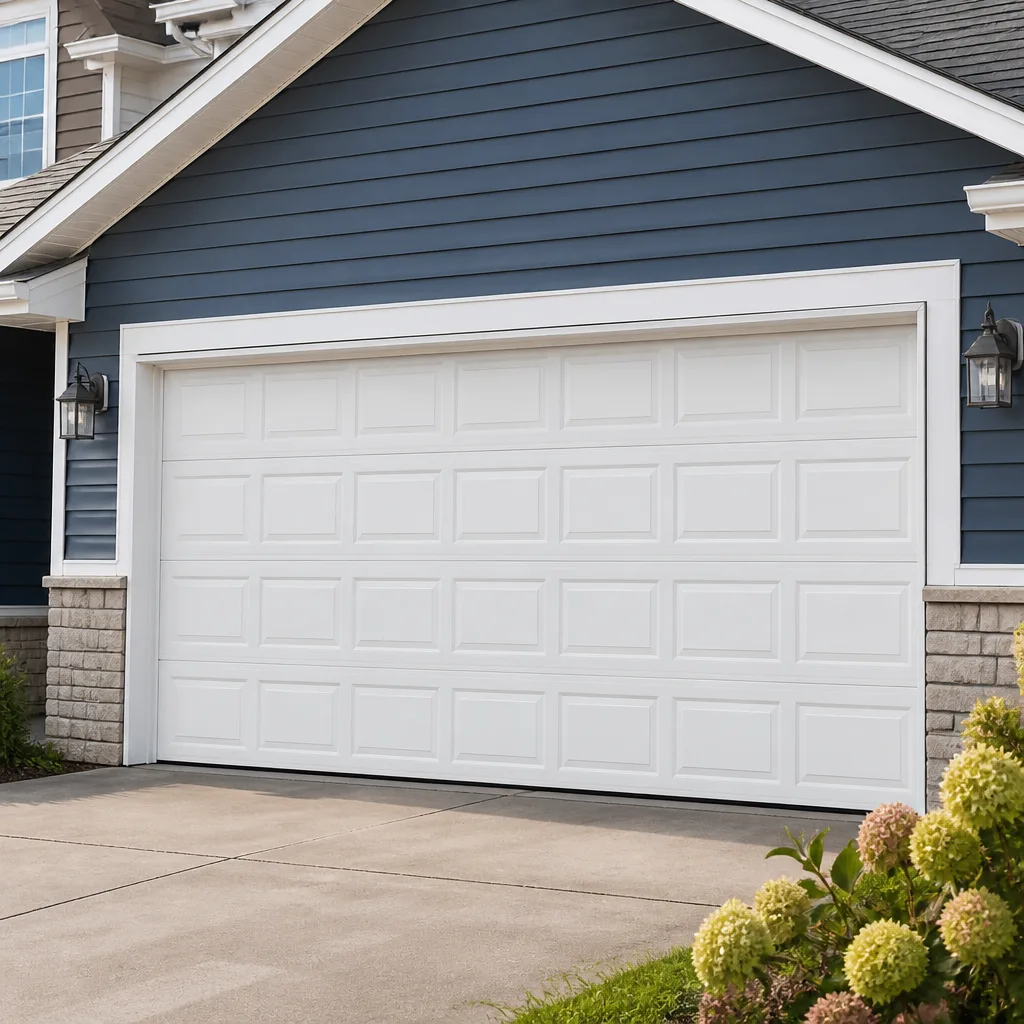 Raised-panel steel
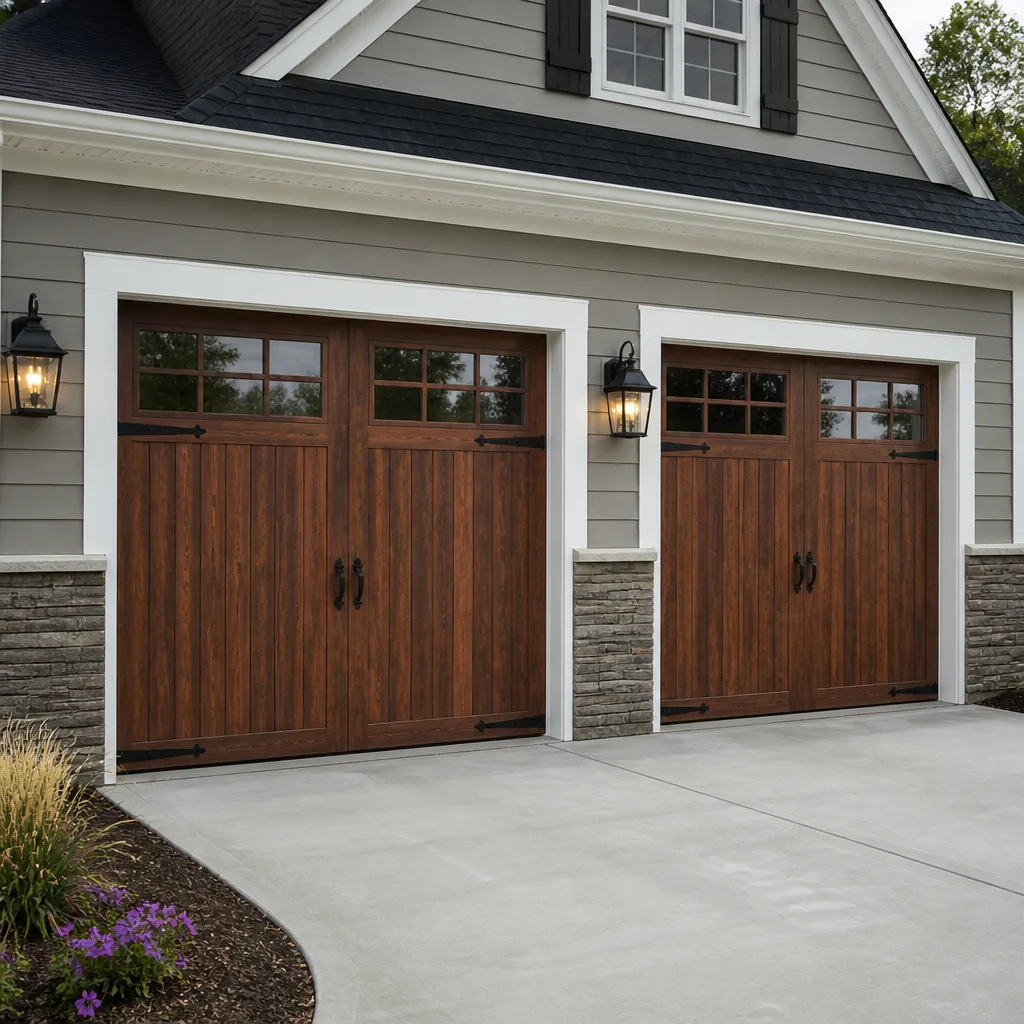 Carriage house
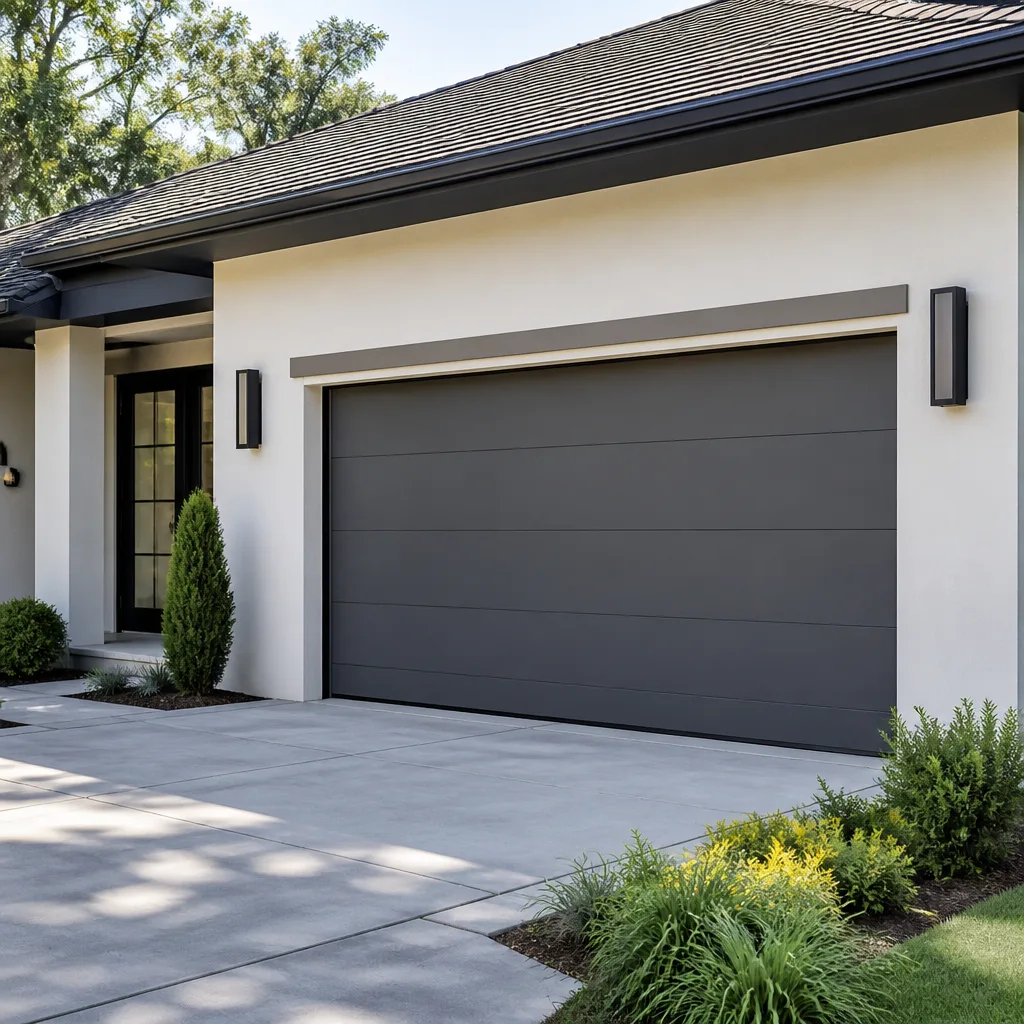 Modern flush
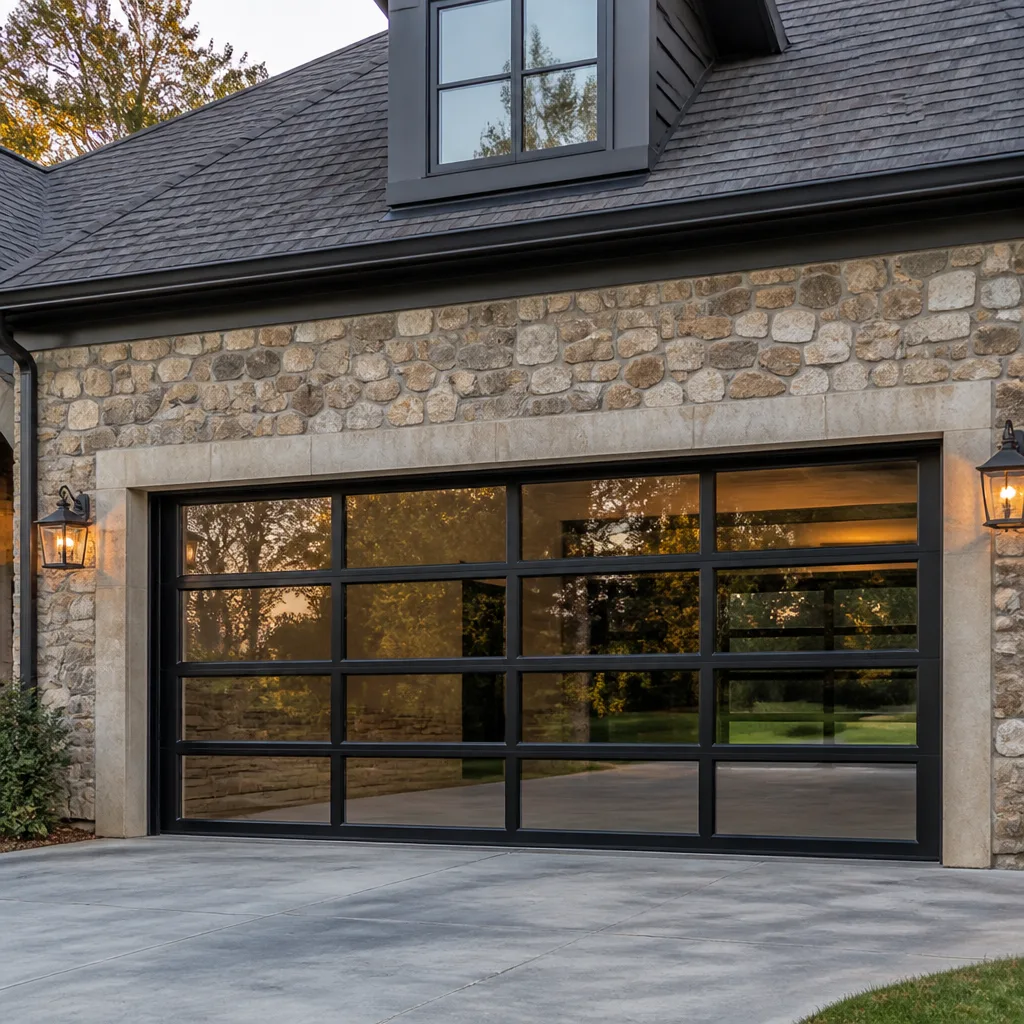 Full-view glass
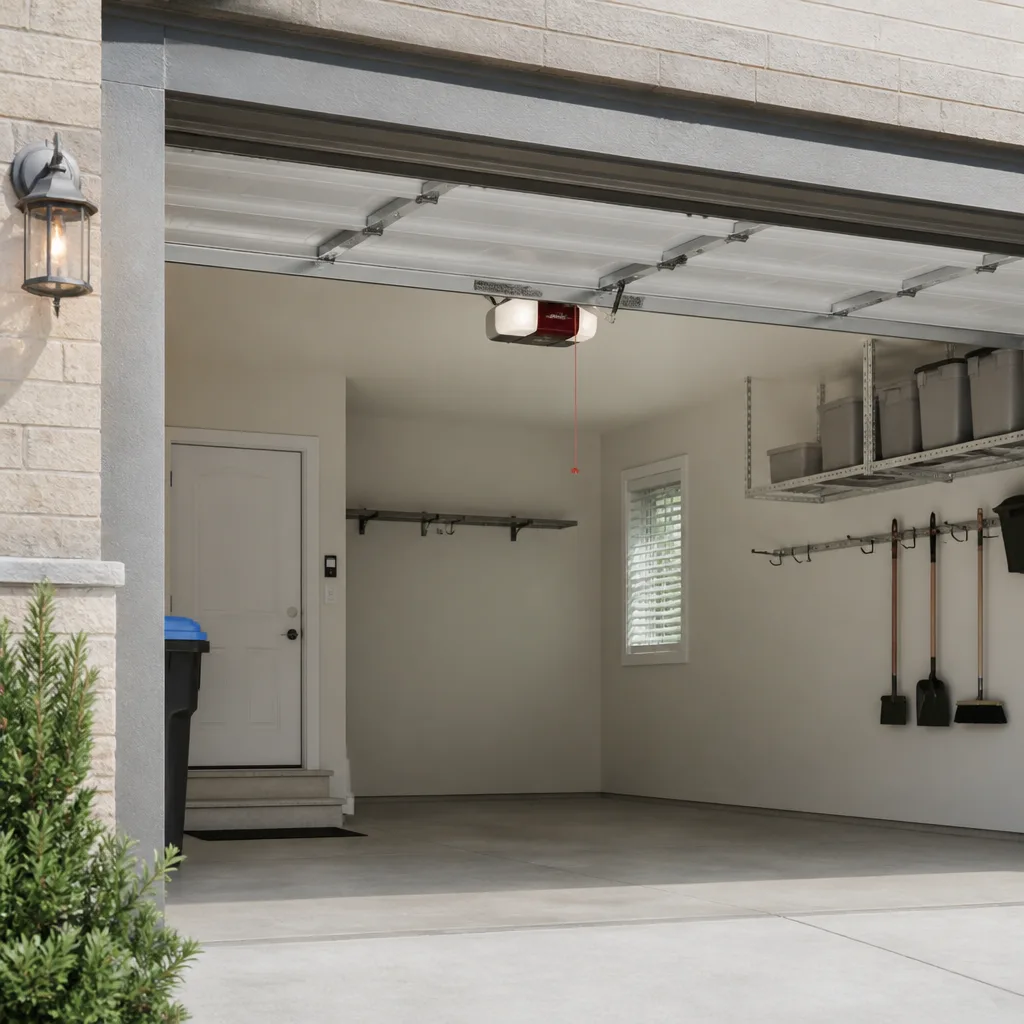 LiftMaster openers
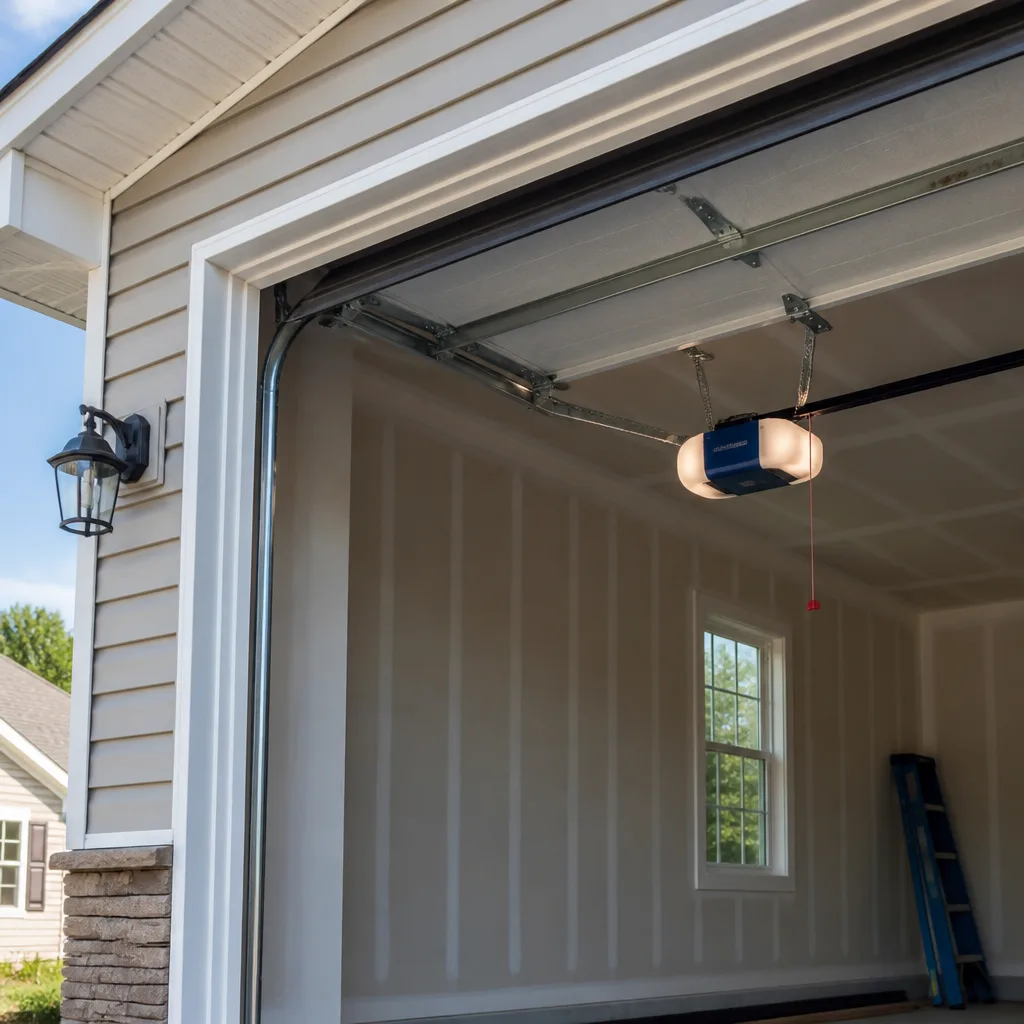 Chamberlain openers
Full 25-point door and opener safety check with every visit - springs, cables, rollers, tracks, and your LiftMaster or Chamberlain opener included
You get a price before we start. It does not change when the pro arrives.
Get your free estimateSeasonal Garage Door Care for Shakopee: Year-Round Homeowner’s Guide
The worst time to discover your bottom weather seal is cracked is February. The best time to catch it is October. Most seasonal prep guides treat all four seasons as equally important, and that’s where they go wrong. In Shakopee, the seasons aren’t equally hard on a garage door. Winter does the most damage, fall is the window to prevent it, spring thaw creates its own problems, and summer is mostly about humidity and a quiet chance to catch small stuff before it turns into a cold-weather failure. This guide maps the right task to the right month, explains why each one matters here, and tells you when to skip a job because there’s nothing to gain from doing it again. You’ll learn what actually prevents failures and what’s just busywork.
Quick Answer
Garage door care in Shakopee should follow the local climate, not a generic annual checklist. The highest-value work happens in fall (seals, tracks, lubrication, balance check before the first hard freeze) and spring (inspecting for frost heave, seal damage, and alignment drift after the thaw). Summer is for humidity-related checks on wood panels and opener electronics, and winter is for light visual checks only, not heavy adjustments in the cold.
Styles & brands we work with
- Raised-panel steel
- Carriage house
- Modern flush
- Full-view glass
- LiftMaster openers
- Chamberlain openers
Table of Contents
- Why Shakopee’s Seasons Hit a Garage Door Differently
- Fall Prep: The Checks That Prevent January Failures
- Why Torsion Springs Snap in Cold Snaps
- Spring Thaw: Frost Heave, Alignment, and Seal Integrity
- Summer: Humidity, Wood Panels, and Opener Circuit Boards
- A Month-by-Month Task Map for Shakopee Homeowners
- What Not to Do (and When to Skip a Task)
- When to Call a Professional
Why Shakopee’s Seasons Hit a Garage Door Differently
A garage door is a mechanical system with metal, rubber, plastic, and electronics in it, and every one of those materials responds to temperature and moisture differently. In Shakopee, the swing between a humid July and a subzero January is wide enough that the door goes through real physical change twice a year. Steel tracks expand and contract. Rubber seals harden and crack. Lubricant thickens. Springs that felt fine in September can be under noticeably more stress by the first real cold snap.
That’s why the work that matters most in Shakopee is seasonal and specific. A homeowner in the South can get away with a once-a-year glance. Here, the door lives through a full freeze-thaw cycle every year, and the weak points show up in a predictable order: seals first, then tracks, then springs, then openers.
We’ve seen the same pattern play out across the neighborhoods around Shakopee, from older homes near downtown to newer construction out toward the south and west edges of town. The climate is the constant. The door brand matters less than you’d think, which is why we work on the brand already in your garage. Whether that’s a LiftMaster opener or a Raynor door, the seasonal stress profile is roughly the same.
What this guide does differently
Instead of a “do these 12 things every season” list, this guide weights tasks by payoff. Some checks take 30 seconds and prevent a $200-plus repair. Others are cosmetic and can be skipped for years. Knowing the difference is the whole point.
Fall Prep: The Checks That Prevent January Failures
The three most common January garage door failures in Shakopee are frozen tracks, snapped springs, and dead openers. Each one has a fall check that reduces the odds. Do these before the first hard freeze, ideally in October, when you still have warm afternoons to work with.
- Check the bottom seal. Run your hand along the rubber seal at the floor and look for cracks, flattening, or gaps. A cracked seal lets in cold air, water, and small pests, and once it freezes it can tear further. If it’s stiff or split, it needs replacing before winter.
- Lubricate the moving parts, not the tracks. A light coat of garage door lubricant on hinges, rollers, and the torsion spring (never grease the tracks) keeps things moving when the temperature drops. Cold thickens old grease and makes the door work harder.
- Test the balance. Disconnect the opener and lift the door halfway by hand. It should stay put. If it drifts down, the springs are already losing tension and winter will finish the job.
- Look at the tracks for dents or debris. A small bend becomes a jam when the metal contracts in the cold. Clear leaves and grit from the floor where the door seats.
- Check the opener’s safety reverse. Put a small object in the door’s path and confirm it reverses. Cold can stiffen the mechanism.
If any of this surfaces a problem, better to schedule a garage door repair in October than to be stuck in January. Fall is the low-stress window. Winter is the high-stress one.
Why Torsion Springs Snap in Cold Snaps
Springs are the most dangerous part of any garage door system, and cold weather is when they’re most likely to fail. Torsion springs are wound steel under constant tension, and steel behaves differently when it gets cold. At low temperatures the metal becomes less ductile, meaning it has less ability to flex before it fractures. A spring that has been slowly fatiguing for years can look fine in October and let go on the first single-digit morning in January. That’s a metallurgy fact, not a guess.
This is why spring failure is the classic Shakopee January call. The spring didn’t get weaker overnight. It crossed a threshold. Temperature brittleness pushed a marginal spring over the line.
Why you shouldn’t touch it
Torsion and extension spring work requires specific tools, correct winding bars, and training. A wound torsion spring stores enough energy to cause serious injury if it’s released the wrong way. We don’t give step-by-step instructions for spring replacement here, and no honest guide should. If your door won’t lift, or you hear a loud bang from the garage, keep it closed and call a specialist. Spring repair is a named core service for us because it’s high-risk, high-skill work, not something to hand to a general handyman.
If your door is dead and stuck, that’s an emergency, and it’s the kind we handle. Garage door opener repair and spring service are both in scope, so one call covers the diagnosis. Call (866) 479-4598. We answer 24/7. Fast dispatch from 7am to 7pm, Sunday through Friday.
Spring Thaw: Frost Heave, Alignment, and Seal Integrity
Spring in Shakopee brings a problem that homeowners in warmer climates never deal with: frost heave. When the ground thaws unevenly, the soil under and around the garage slab shifts. That shift can nudge the door’s frame out of alignment just enough that the door drags on one side, doesn’t seat evenly, or leaves a gap at the bottom corner. You might not notice it until the door starts sticking or the gap lets in water during spring rain.
Watch for a door that closes but doesn’t sit flush, a bottom seal that has separated from the floor on one side, or a noticeable tilt when the door is partway up.
- Inspect the bottom seal again. Winter cold and spring moisture together are the hardest combination for rubber. Replace a seal that has cracked or compressed flat.
- Check for gaps at the corners. Run a flashlight along the closed door’s bottom edge. Light leaking through means cold air and water will too.
- Look at the tracks for misalignment. A door that suddenly drags on one side after the thaw usually has a track that shifted. That’s a professional adjustment, not a homeowner fix.
- Clear the floor of grit and standing water. Spring rain and melting snow bring in debris that speeds up roller wear.
If spring inspections turn up alignment or track problems, that’s a normal garage door repair job, not an emergency. It’s worth scheduling before summer heat sets in.
Summer: Humidity, Wood Panels, and Opener Circuit Boards
Summer is the quiet season for garage doors in Shakopee, but it isn’t zero-stress. Two things matter: humidity and heat. If you have a wood door, humid air causes panels to swell, and swelling can warp a panel enough that it binds in the frame or pulls a joint apart. Check the finish on any wood door in early summer. A peeling or thin finish lets moisture in and accelerates the damage. If you have a steel or aluminum door, humidity matters less, but the opener electronics care.
Opener circuit boards are sensitive to heat and to the temperature swings inside an unheated garage. Summer is when you’re most likely to see an opener that’s sluggish, a remote that needs more than one press, or a wall button that works intermittently. It’s usually a small component problem, not a full opener failure. That’s the kind of work that falls under garage door opener repair, and it’s worth addressing in summer rather than waiting for it to fail on a cold morning.
What to check in summer
- Run the door up and down once and listen for new noises.
- Check the opener’s light and safety sensors for dust or cobwebs.
- Look at any wood panel for swelling, warping, or a finish that’s breaking down.
- Confirm the manual release still works in case you lose power.
If a summer check turns up anything, a free estimate in Shakopee is a low-cost way to know whether it’s a real problem or something to watch. Call (866) 479-4598. We answer 24/7. Fast dispatch from 7am to 7pm, Sunday through Friday.
A Month-by-Month Task Map for Shakopee Homeowners
Here’s the payoff-weighted calendar. Each task includes a rough time commitment and a “skip if done recently” note so you don’t over-maintain. In our experience, the homeowners who get the most out of seasonal care do the fall and spring checks and skip most of the rest.
- March: Post-thaw seal inspection, bottom-seal gap check, listen for dragging. 10 minutes. Skip if you replaced the seal the previous fall.
- April: Balance test with the opener disconnected, track inspection for frost-heave misalignment. 15 minutes. Do this once.
- May: Wood door finish inspection, hinge and roller lubrication. 20 minutes. Skip lubrication if done in fall.
- June: Opener light, sensor, and remote check. 5 minutes. Skip if the opener is functioning normally.
- July: Manual release test, general noise check. 5 minutes. Do this once per year.
- August: Slow-season opener diagnostic, address any intermittent issues. 10 minutes. Skip if nothing has been off.
- September: Safety reverse test with a small object. 5 minutes. Do this once per year.
- October: The big one. Bottom seal check, full lubrication, balance test, track inspection. 30 minutes. Never skip.
- November: Light visual check of tracks and seal after the first freeze. 5 minutes. Skip if October was thorough.
- December through February: Visual checks only. Listen for new noises, watch for the door sticking. No heavy adjustments in the cold.
Total time across the year: under two hours if you skip the redundant tasks. That’s the honest number.
What Not to Do (and When to Skip a Task)
Over-maintenance is real. Some tasks do more harm than good, and some just have no payoff if you’ve recently done them. Here’s what to avoid and what you can safely skip.
- Don’t grease the tracks. Lubricant on the tracks attracts dirt and grit, which speeds up roller wear. Keep the tracks clean and dry. Lubricate the moving parts instead.
- Don’t attempt spring adjustments. That’s the one task that belongs to a professional, full stop. The risk isn’t worth it.
- Don’t loosen the tracks to “straighten” them. Track alignment is a precision job. Home adjustments usually make it worse.
- Skip the balance test if the door was serviced recently. A professionally balanced door doesn’t need to be retested monthly.
- Skip heavy lubrication in freezing weather. Cold grease can stiffen.
- Don’t ignore a small noise. That’s the opposite of over-maintenance, but it’s the mistake most homeowners make that costs them.
If you’re not sure whether something needs attention, that’s exactly what a free estimate is for. See whether garage door installation is the right call for a door past its useful life. Call (866) 479-4598. We answer 24/7. Fast dispatch from 7am to 7pm, Sunday through Friday.
Common Mistakes to Avoid
- Treating all four seasons as equally hard on the door. Winter does the most damage and fall is the window to prevent it. Homeowners who put equal effort into summer and winter usually miss the fall tasks that matter most.
- Waiting for a failure to think about maintenance. A snapped spring in January is a real emergency. A balance test in October is five minutes. The order of those two events matters for your wallet.
- Greasing the tracks. This is the most common maintenance mistake we see in Shakopee garages. It looks like maintenance but it accelerates wear.
- Ignoring a cracked bottom seal through the winter. Once it freezes and tears, it lets in water that gets worse as the thaw sets in. Replace it in fall if you can.
- Assuming a wood door is fine because it looks fine. A peeling finish on a wood door lets in humidity that warps panels over the summer. Inspect the finish, don’t just glance at the door.
- Handling springs yourself. This is the mistake that causes injuries. Spring work needs the right tools and training. Call a professional.
- Skipping the spring thaw inspection. Frost heave shifts alignment in ways that aren’t visible until the door starts dragging. A quick check after the thaw catches it early.
See the difference
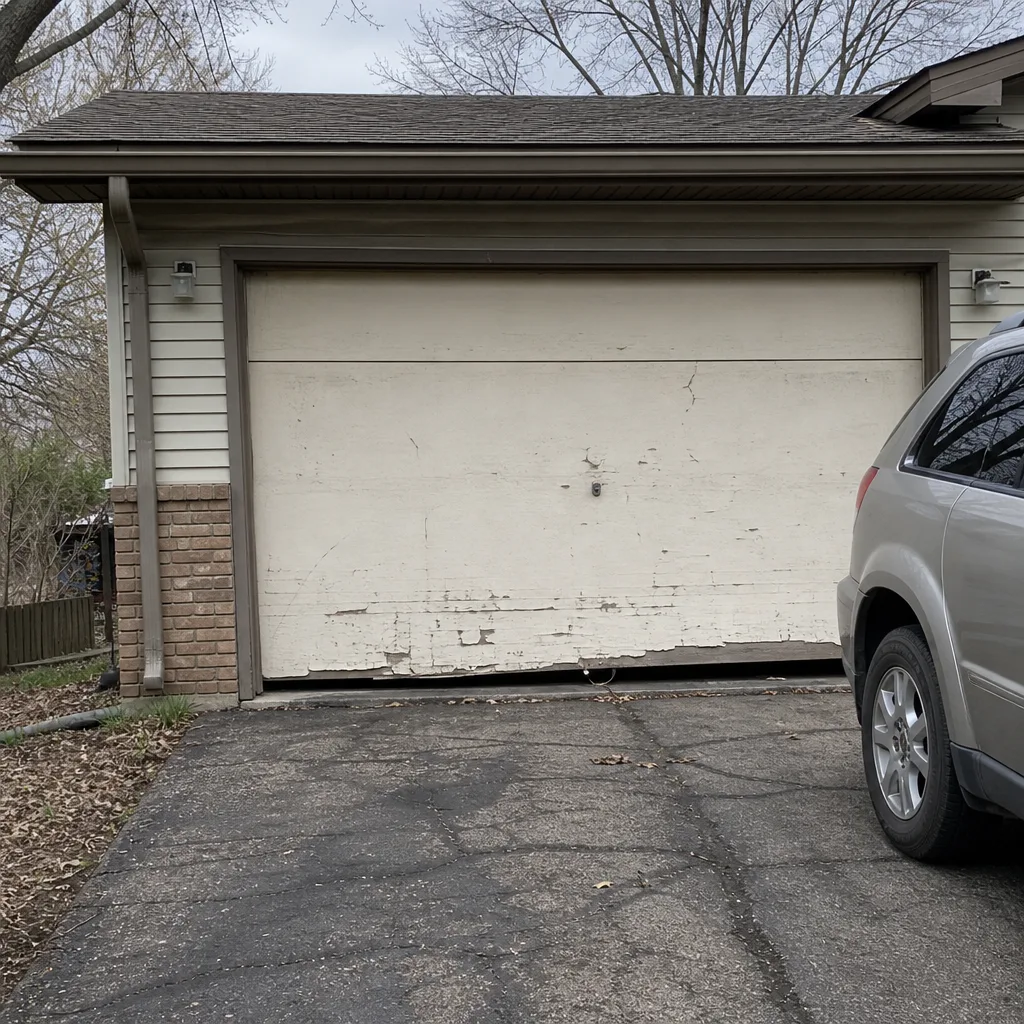 Before
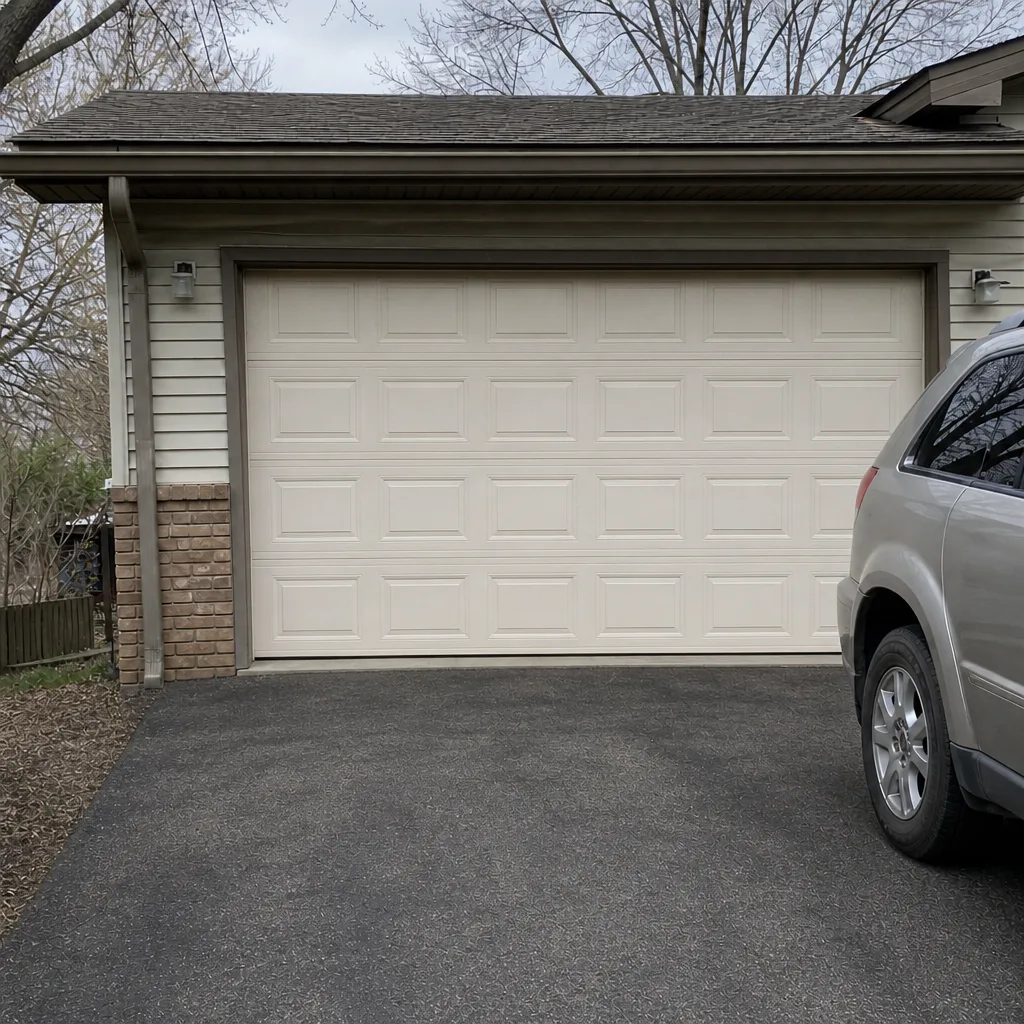 After
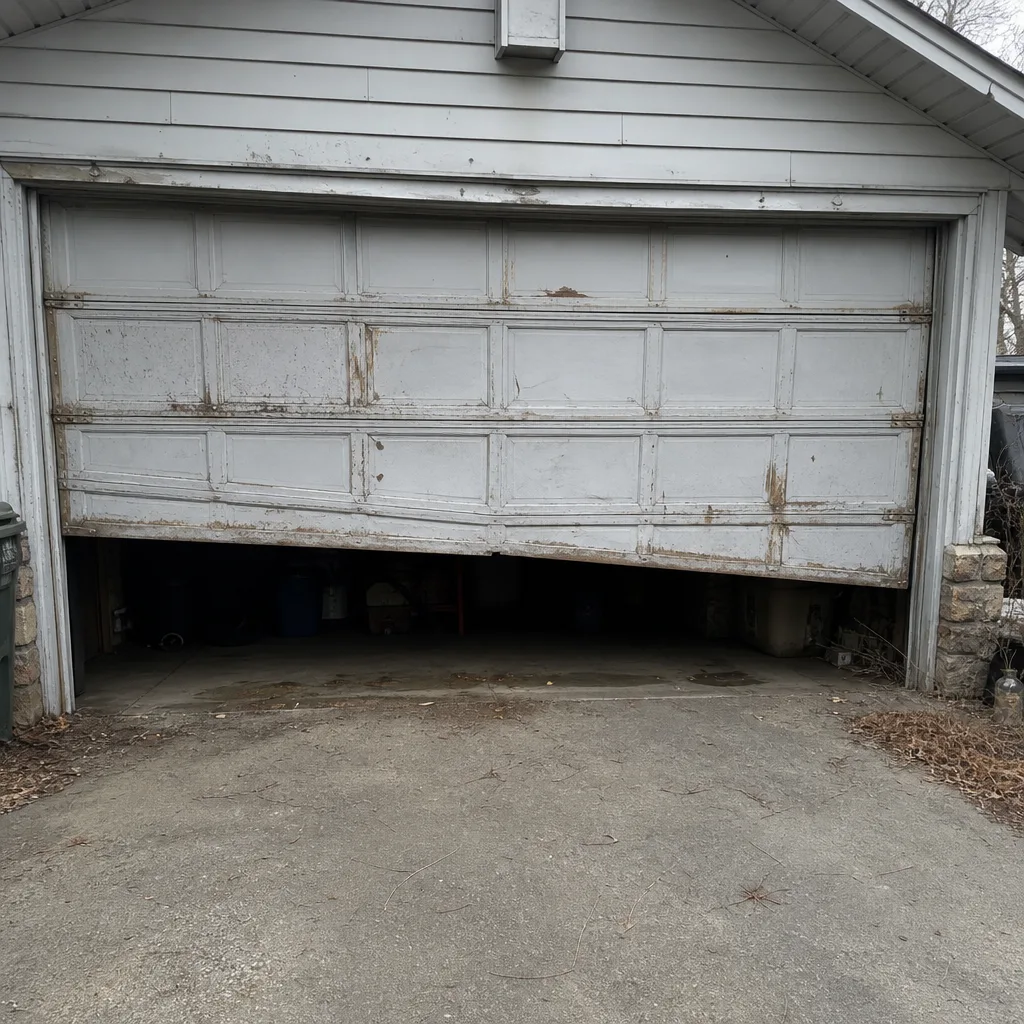 Before
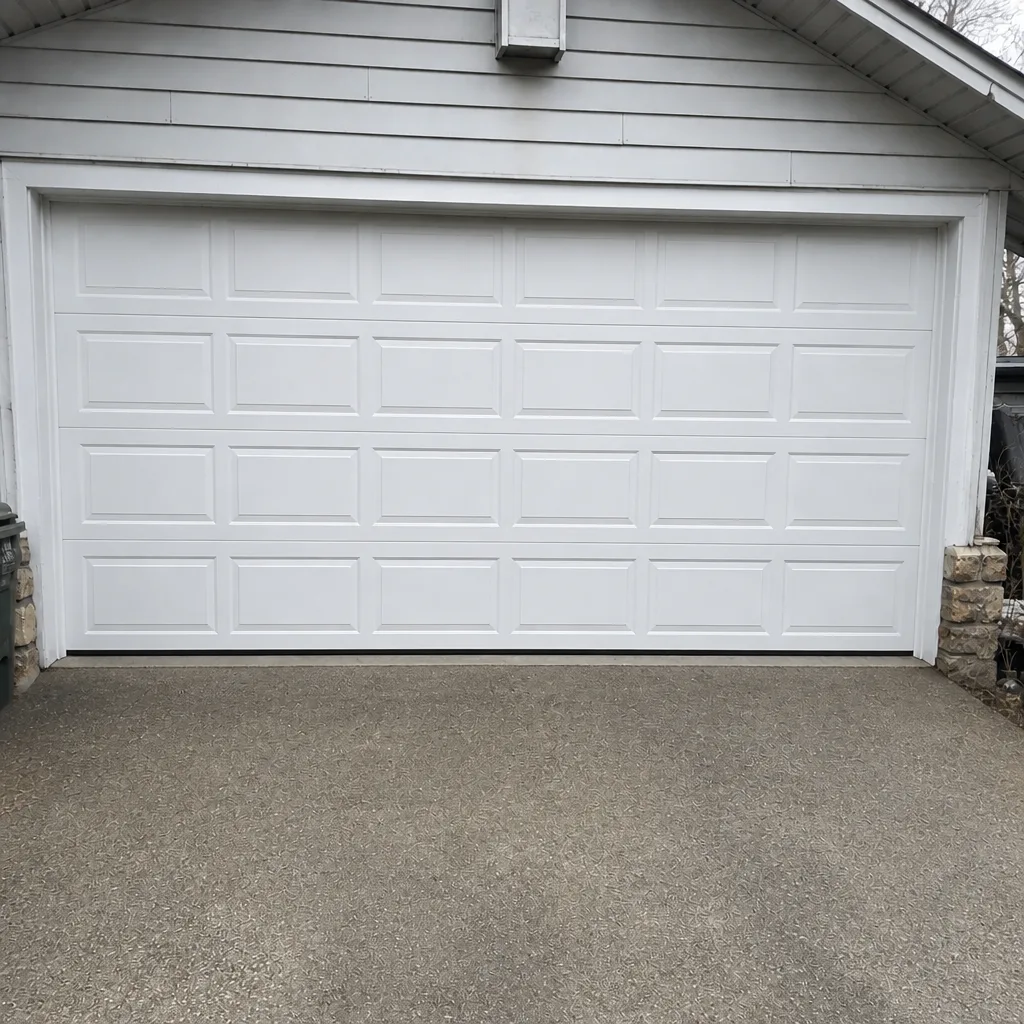 After
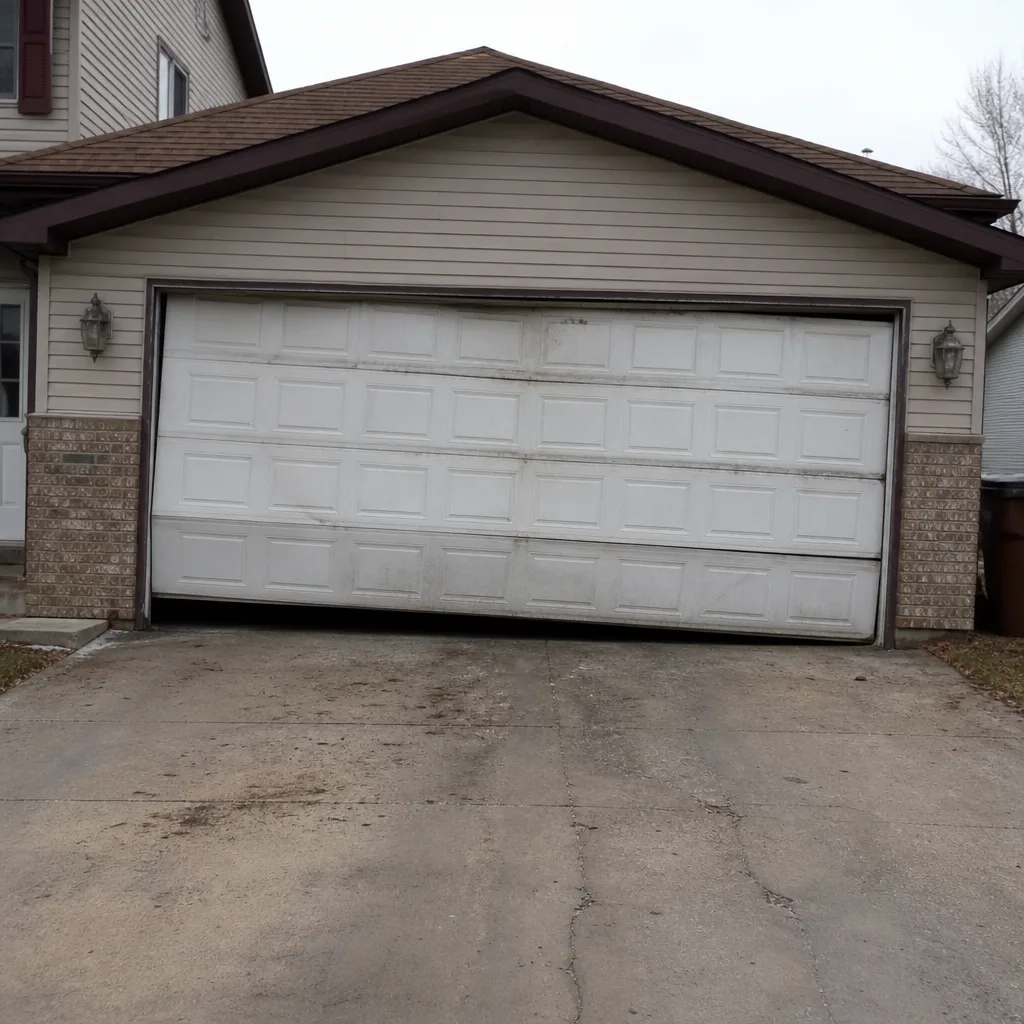 Before
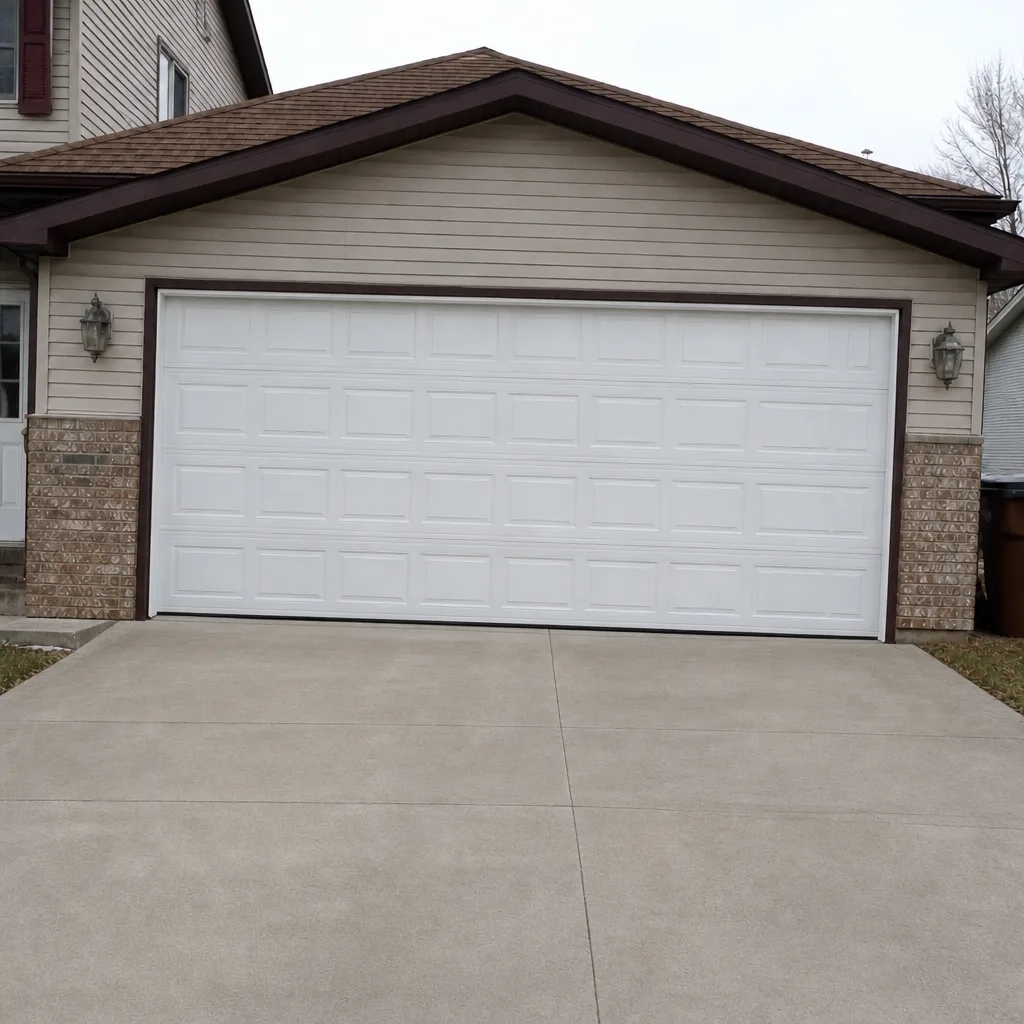 After
When to Call a Professional
Some seasonal checks you can do yourself: seals, listening for noise, clearing debris. Others belong to a professional, either because of risk or because of the tools and training required. Call us when:
- The door won’t lift, or you hear a loud bang from the garage (possible spring failure).
- The door is off-track, crooked, or dragging on one side.
- The opener runs but the door doesn’t move, or the opener trips a breaker.
- The door is stuck open or won’t close and you need it secured.
- A spring, cable, or roller looks worn, frayed, or misaligned.
Garage Door Repair Shakopee offers free estimates in Shakopee, and one call covers the door, the opener, and everything in between. We work on the brands already in garages here, including LiftMaster, Chamberlain, Craftsman, and Raynor. Our technicians have up to 14 years of experience. Call (866) 479-4598. We answer 24/7. Fast dispatch from 7am to 7pm, Sunday through Friday.
Frequently Asked Questions
The October fall check is the most valuable one: bottom seal inspection, full lubrication, balance test, and track inspection before the first hard freeze. Those four checks together prevent the three most common January failures. If you only do one thing a year, do the October round. Call (866) 479-4598 if anything looks off; estimates are free.
Yes. Cold temperatures reduce the ductility of the steel in a torsion spring, meaning it has less ability to flex before it fractures. A spring that’s been fatiguing for years can cross its breaking point on the first subzero morning. That’s why January is the classic month for spring failures. If your door is dead, keep it closed and call us. Call (866) 479-4598. We answer 24/7. Fast dispatch from 7am to 7pm, Sunday through Friday.
When the ground thaws unevenly, the soil under and around the garage slab shifts, and that shift can nudge the door’s frame out of alignment. You’ll notice it as a door that drags on one side, doesn’t close flush, or has a gap at one bottom corner. A quick check after the thaw catches it. If it turns up a track problem, that’s a normal repair, not an emergency.
No. Lubricant on the tracks attracts dirt and grit, and that speeds up roller wear. Keep the tracks clean and dry. Lubricate the hinges, rollers, and the torsion spring with garage door lubricant. This is one of the most common maintenance mistakes we see in Shakopee, and it’s an easy one to fix.
Humidity swells wood panels and can warp them enough to bind or pull a joint apart. It also stresses opener circuit boards through heat and temperature swings. Check the finish on any wood door in early summer, and listen for an opener that’s sluggish or intermittent. A small opener problem in July is cheaper to deal with than a dead opener in January.
Partially, yes. Some tasks don’t need repeating if you’ve done them recently, and this guide tells you which. The fall check shouldn’t be skipped, and the spring thaw inspection shouldn’t be either. The rest you can scale back. If you’re not sure, a free estimate in Shakopee tells you whether there’s anything real to worry about. Call (866) 479-4598. We answer 24/7. Fast dispatch from 7am to 7pm, Sunday through Friday.
The Bottom Line
Shakopee’s garage door seasons aren’t equal. Fall is the window that prevents most winter failures, spring thaw is when alignment and seal problems surface, summer is for humidity and opener checks, and winter is for light visual inspection only. Map your tasks to the months that matter, skip the ones that don’t, and route the dangerous work (springs, cables, track adjustments) to a professional. The total time commitment is under two hours a year for most homeowners. The payoff is fewer January calls to Garage Door Repair Shakopee, and windows that close properly in February. If a seasonal check turns up a real issue, or the door needs service, schedule a free estimate. We’ll look at the whole system, not just one component.
For a free estimate in Shakopee and the surrounding area, call Garage Door Repair Shakopee at (866) 479-4598. We answer 24/7. Fast dispatch from 7am to 7pm, Sunday through Friday. Emergency service is one of our core services, and the written estimate you get before any work starts is the price you pay.
Written by the team at Garage Door Repair Shakopee.