
Last updated November 23, 2026
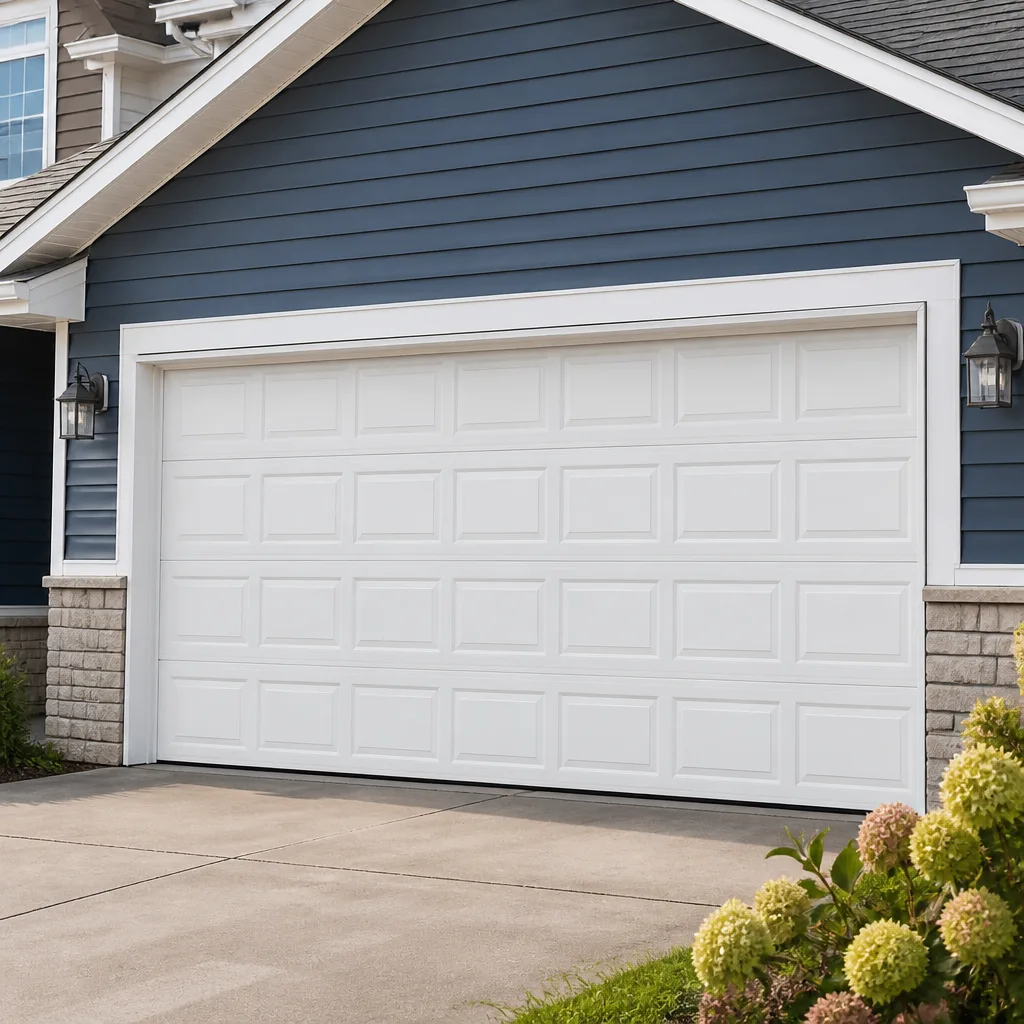 Raised-panel steel
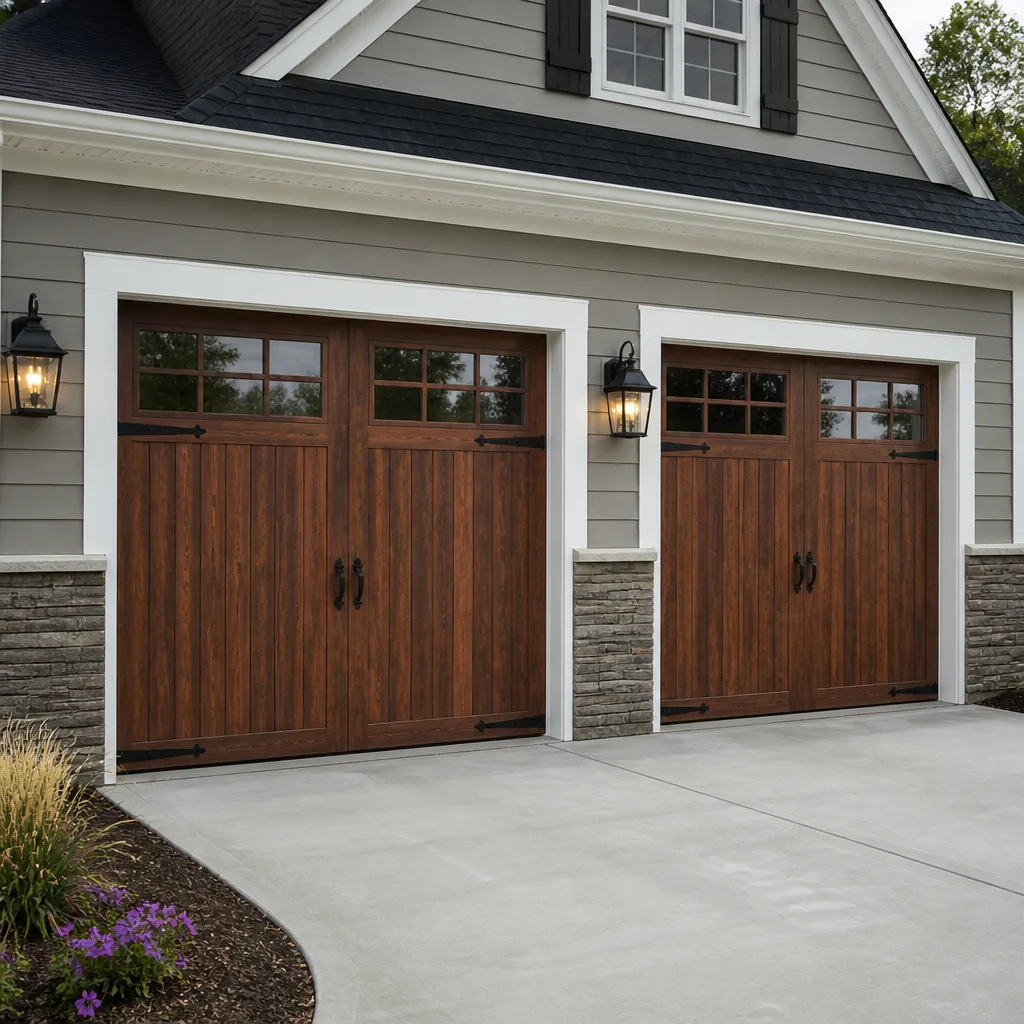 Carriage house
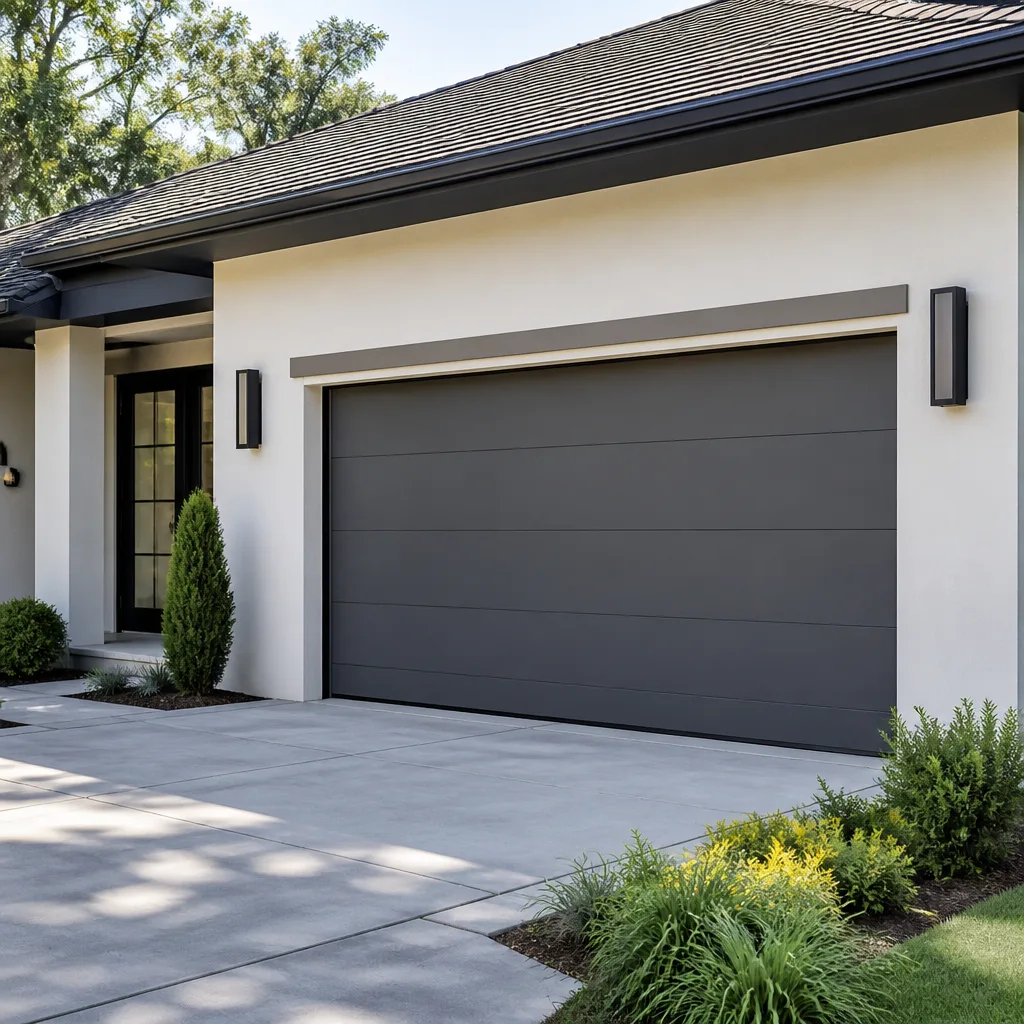 Modern flush
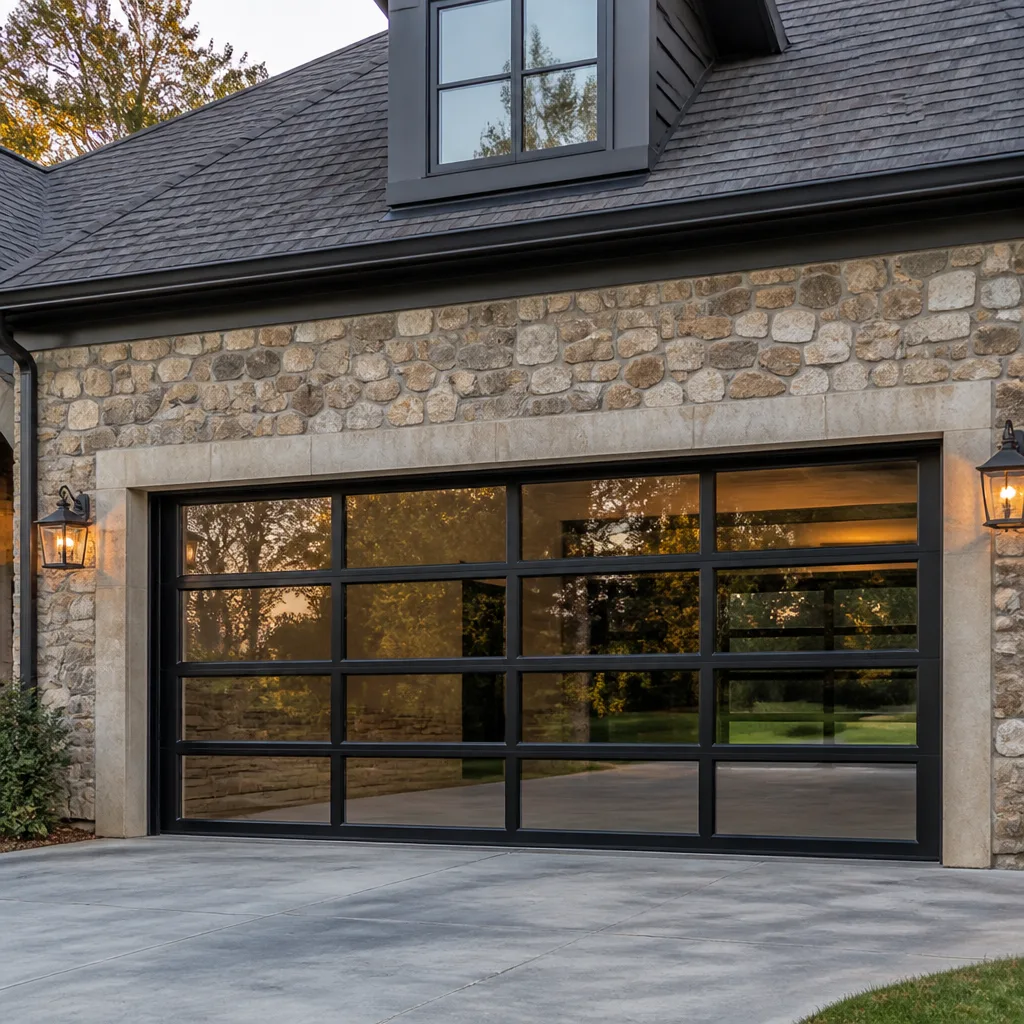 Full-view glass
 LiftMaster openers
 Chamberlain openers
Full 25-point door and opener safety check with every visit - springs, cables, rollers, tracks, and your LiftMaster or Chamberlain opener included
You get a price before we start. It does not change when the pro arrives.
Get your free estimateGarage Door Permits, Codes & Inspections in Shakopee, MN: What You Need to Know
Most homeowners assume a garage door project means paperwork. Usually it doesn’t. A broken spring gets replaced, a tired opener gets swapped, a dented panel gets straightened out, and none of that touches the permit desk. But replace an entire door on an attached garage without the right approval and you can end up explaining it years later at a home sale inspection in Shakopee. This guide draws the line clearly: which work needs a permit, which doesn’t, what Minnesota’s building code asks of an attached garage, and what inspectors actually look at. You’ll finish knowing exactly where your project sits.
Quick Answer
In Shakopee, a garage door permit is generally required when you replace a complete door assembly on an attached garage, change the size of the opening, or alter structural framing around the door. Straight repairs – springs, cables, rollers, tracks, opener replacement – typically don’t need one. Fire-rated door requirements for attached garages fall under the Minnesota State Building Code, and the City of Shakopee’s building department is the authority that confirms your specific project. Always verify before work begins.
Styles & brands we work with
- Raised-panel steel
- Carriage house
- Modern flush
- Full-view glass
- LiftMaster openers
- Chamberlain openers
Table of Contents
- Which Garage Door Work Triggers a Permit in Shakopee?
- Minnesota State Building Code and Attached Garages
- What Inspectors Look at: Rough-In vs. Final
- How Unpermitted Work Shows Up at Resale
- The Contractor’s Role vs. Yours
- Shakopee Climate, Housing, and Permit Timing
- A Permit Checklist Before You Sign
Which Garage Door Work Triggers a Permit in Shakopee?
The permit line for garage doors is narrower than most people think. The City of Shakopee follows the Minnesota State Building Code, and that code ties permits to structural work and changes to the building envelope – not to mechanical repairs of a door system. A torsion spring that snaps at 6am on a Thursday is a repair. A new 16-foot door going into the same opening with the same framing is usually a replacement of a building component, which is where permitting conversations start.
Here’s how the categories break down in practice.
Work that typically does not require a permit
- Replacing torsion or extension springs, cables, pulleys, or drums
- New rollers, hinges, or bearing plates
- Straightening or replacing sections of track
- Replacing a garage door opener, wall button, remote, or safety sensor
- Panel or section replacement where the opening and framing don’t change
- Seals, weatherstripping, and bottom rubber
Work that usually does require a permit
- Full replacement of the door assembly on an attached garage, where the door is part of the fire separation
- Enlarging or reducing the rough opening, which means framing changes
- Converting a carport to an enclosed garage
- Structural repairs where the header, jambs, or wall framing is modified
- Adding a new garage door opening to an existing wall
Those lists are a starting point, not a ruling. Shakopee’s building department makes the final call, and it’s a quick phone call to get a straight answer on your address and your project. If you’re already working with us on a full garage door installation, we’ll point you to the right questions to ask before anything gets ordered.
One thing worth understanding: the permit threshold isn’t really about the door itself. It’s about what the door does for the building. On a detached garage, a new door is a pretty simple component swap. On an attached garage, the door is part of a fire separation assembly, and that’s what the code cares about.
Minnesota State Building Code and Attached Garages
Minnesota’s residential code treats an attached garage differently from a detached one for one reason: fire. An attached garage shares a wall, ceiling, or both with the living space, and vehicles, fuel, and stored chemicals make it the most likely place for a fire to start. The code addresses this with fire separation requirements between the garage and the house, and that framework is what makes certain door work subject to inspection.
The key requirements that affect garage door projects:
- Fire separation between garage and house. The wall and ceiling assembly separating an attached garage from living space must resist fire long enough for occupants to get out. Where a garage door sits within that separation – and on many Shakopee homes it does, at the wall between the garage and a breezeway or entry – the door assembly itself becomes part of the fire-rated boundary.
- Self-closing and self-latching requirements. Doors between the garage and the house must typically be self-closing and self-latching. That’s a door-between-spaces rule, not a garage vehicle door rule, but inspectors notice both.
- Smoke and fire separation continuity. If a project alters the separation – a new opening, changed framing, different cladding – the inspector will look at whether the assembly still performs.
- Opening protection based on proximity. Where the code requires a fire-rated door assembly based on how close the garage is to the property line or another structure, replacing that door with a non-rated product is a problem.
This is where homeowners get surprised. A standard insulated door from Clopay or Raynor might look identical to another and carry completely different fire ratings. If your project involves a rated assembly, the label matters – and a permit is how that label gets verified. The code sections are worth reading if you’re curious, but the practical move is to describe your project to Shakopee’s building department and let them tell you what they want to see.
One more layer: garage door openers installed since 1993 must have photoelectric safety sensors that reverse the door on obstruction, and the door must reverse on contact. That’s an equipment standard rather than a permit trigger, but it comes up during final inspection. Modern LiftMaster and Chamberlain openers have this built in, so it’s rarely an issue on new equipment.
What Inspectors Look at: Rough-In vs. Final
Garage door inspections in Shakopee come in two flavors, and they check different things. A rough-in inspection happens before the door goes on, when the framing and opening are still visible. A final inspection happens after the door and hardware are installed. Understanding the split helps you avoid a callback, which in Shakopee’s permit queue can cost you a week or more in winter.
Rough-in inspection
- The rough opening dimensions match the approved plans, with correct header height and width.
- Header sizing and framing are adequate for the span and load above the opening.
- Jamb framing is straight and plumb – inspectors check this because a twisted opening puts stress on torsion hardware later.
- The wall assembly’s fire separation details are visible and correct, including any required sheathing or membrane.
- Anchorage to the structure is visible and inspectable before the door obscures it.
Final inspection
- The door operates smoothly through a full open and close cycle.
- The opener’s safety reverse engages and stops the door on obstruction.
- Photoelectric sensors are mounted correctly and aligned, with the beam unobstructed.
- Door balancing is verified – the door holds position when disengaged from the opener at roughly the halfway point.
- Cables, springs, and drums are installed per manufacturers’ instructions with correct anchoring.
- Labeling is present where the assembly requires a fire rating.
- Weather seals and perimeter gaps are addressed so the door closes against the opening properly.
In our experience, the items that fail most often aren’t door problems – they’re opener adjustment problems. A door that closes three inches low, or a sensor mounted too high, gets flagged every time. We adjust both as part of any install. If you’re troubleshooting an opener that won’t reverse properly, garage door opener repair is often the fastest way to get ahead of a failed inspection.
Timing matters too. Scott County’s freeze cycles move fast, and a rough-in that comes back for correction in November can delay a full door install into a stretch of weather where taping and painting the new trim is a miserable job. Build permit time into your schedule rather than the other way around.
How Unpermitted Work Shows Up at Resale
Unpermitted garage door replacement doesn’t announce itself at resale. It tends to surface in the middle of a home inspection, when the inspector notes that the door assembly looks newer than the rest of the structure, that no permit record exists, and that the buyer’s agent starts asking questions. What happens next depends on the age, the door, and how the local authority treats the situation.
Typical paths forward:
- Documentation request. The buyer asks for the permit record. You don’t have one. You produce a receipt from the installer. Sometimes that satisfies everyone; often it doesn’t.
- Retroactive permit. Many jurisdictions, Shakopee included, allow a homeowner to apply for a permit after the fact. That usually means opening walls or removing finishes so an inspector can see the assembly. Then the door comes back off for rough-in, then back on for final.
- Remediation and reinstallation. If the work doesn’t meet code – wrong fire-rated assembly, bad framing at the opening, an opener wired incorrectly – the fix is real work. Sometimes the fix is a full door replacement.
- Price negotiation. A buyer who sees an unresolved permit issue will price the uncertainty into the offer, and usually generously, because they can’t predict the scope.
- Delay or lost sale. In a competitive Shakopee market, a buyer with other options doesn’t have to sit through a permit correction. They pick the next house.
The honest math: a permit is a modest fee and a few weeks of scheduling. Remediation at resale is far more than that – and remediation happens on the buyer’s timeline, not yours. If you’re planning a full door replacement and you’re not sure whether a permit applies, ask before ordering equipment. If you’re looking at a repair that falls clearly outside permit territory, our garage door repair service covers everything from a snapped cable to a door that jumped track.
The Contractor’s Role vs. Yours
Permit responsibility is one of the most misunderstood parts of a garage door project. Most homeowners assume the contractor handles everything, and in most cases that’s true – but the homeowner holds the property, and the homeowner is the one who inherits any problems with the record. Getting clear on who pulls the permit before the work starts prevents a lot of pain.
The basics in Shakopee:
- The homeowner owns the record. The permit is tied to the property. Even if a contractor pulls it, the homeowner’s name is on the address.
- Licensed contractors can usually pull the permit in their name. This is normal practice and the right way to do business. The permit history shows the licensed contractor, which helps at resale.
- Homeowners can pull permits themselves as owner-builders. That’s allowed, but you accept the inspection process and the correction responsibility on your own time.
- No permit should ever be skipped to save a few days. A contractor who suggests skipping the permit to “save you time” is telling you something important about how they work. It also shifts risk to you.
- Inspection coordination is part of the job. Someone has to be on site for the rough-in and the final. If you pull your own permit, that someone is you during weekday hours.
Ask a direct question before signing: “Will this project require a permit, and if so, who pulls it?” A clear answer tells you a lot. A vague one – “don’t worry about it” – tells you more.
For full-system work where both door and opener get replaced, we’re plain about it: one call covers the door, the opener, and everything in between. We’ll tell you when a permit applies and coordinate the process so nothing gets skipped for the sake of a shortcut. Our technicians have up to 14 years of experience working with the brands already in Shakopee garages – LiftMaster, Chamberlain, Craftsman, Raynor, Clopay, Amarr, Genie, and Wayne Dalton.
Shakopee Climate, Housing, and Permit Timing
Shakopee’s housing stock is a mixed bag. There are older homes near the downtown core with single-car garages and plenty of newer construction out toward the expanding neighborhoods where three-car garages are standard. That mix matters for permit planning because the same code applies to wildly different door setups, and the rough-in looks different in each.
Climate plays a role too, and not the role most people expect. The freeze-thaw cycles across the Minnesota River valley work on concrete, framing, and door hardware. An opening built to the minimum tolerance in October might have drifted out of plumb by April. That affects inspections in two ways:
- Seasonal adjustment. Doors installed in cold weather are often adjusted warm. Opener travel limits set in January sometimes need a spring refresh once the door settles in warmer weather. Inspectors notice when a door isn’t operating cleanly, so getting that dialed in before the final matters.
- Weather headroom. Rough-in inspections require open framing. If framing goes in and the door order hasn’t arrived, you’re sitting with an open wall through whatever weather arrives next. Ordering door and hardware before the rough-in inspection is generally the right call.
The specific Shakopee neighborhoods where we see this come up most often are the older streets close to downtown Shakopee, where attached garages are tighter and door openings are narrower, and the newer pockets around the Shakopee High School area and the southwest growth corridors, where wide double doors and 8-foot heights are common. Older openings often need trim or header work to accept a modern door, and that header work is what converts a simple replacement into a permitted structural project.
One local detail worth flagging: springs. Springs are the most dangerous part of any garage door system. This is work that demands a specialist, not a homeowner with a winding bar and a YouTube video, and if a spring breaks mid-winter the door usually comes down hard. Our garage door repair Shakopee team handles both repair work and the emergency calls that go with it. A spring replacement alone, though, doesn’t trigger a permit – it’s a repair, not a structural change.
A Permit Checklist Before You Sign
Before a garage door contract gets signed in Shakopee, walk through these six questions. A contractor who can answer them cleanly and without hedging is a contractor worth working with.
- Does this specific project require a permit from the City of Shakopee? Get a yes or no, not “probably not.”
- Who is pulling the permit? Get a name, a license number, and a clear commitment in writing.
- What inspections will happen and when? Ask for rough-in and final, and for the expected timing of each.
- What documentation will I receive? You want the approved permit and the signed-off inspection record in hand at the end of the job.
- Does this door need a fire rating for my attached garage? If yes, you want the label photo and spec sheet.
- What if the inspection fails? Who pays to fix it, who schedules the reinspection, and how long does that take?
If the project is a straight repair – spring, cable, roller, opener – the list collapses. Ask instead for the written estimate and the brand of hardware going in. Those are the only questions that matter on a repair.
Common Mistakes to Avoid
- Assuming “it’s just a door” means no permit. Full assembly replacement on an attached garage is the case where people get burned. A quick call to the City of Shakopee’s building department settles it in minutes.
- Letting a contractor skip the permit to “save you time.” Shortcuts cost more down the road. A contractor who offers to skip the permit is offering to shift the risk to you.
- Replacing a fire-rated door with a non-rated one. Two doors can look identical and carry completely different ratings. If your garage wall is part of a fire separation, this matters, and Shakopee inspectors check labels.
- Forgetting the opener rules during final inspection. Safety sensors and reverse-on-obstruction are verified at final, and they’re the #1 source of callbacks. Adjust both before the inspector arrives.
- Not checking whether the opening will accept a new door. Older Shakopee homes near downtown often have narrower openings and shallower headers. A modern door needs the right rough opening, and modifying one is a permit trigger.
- Scheduling the rough-in without equipment on hand. An open wall sits exposed until the door arrives. Order hardware before the rough-in inspection, not after.
- Ignoring the paper trail. Even when no permit applies, keep the receipt and the installer’s information. It’s the second thing a buyer’s agent asks for after the inspection report.
See the difference
 Before
 After
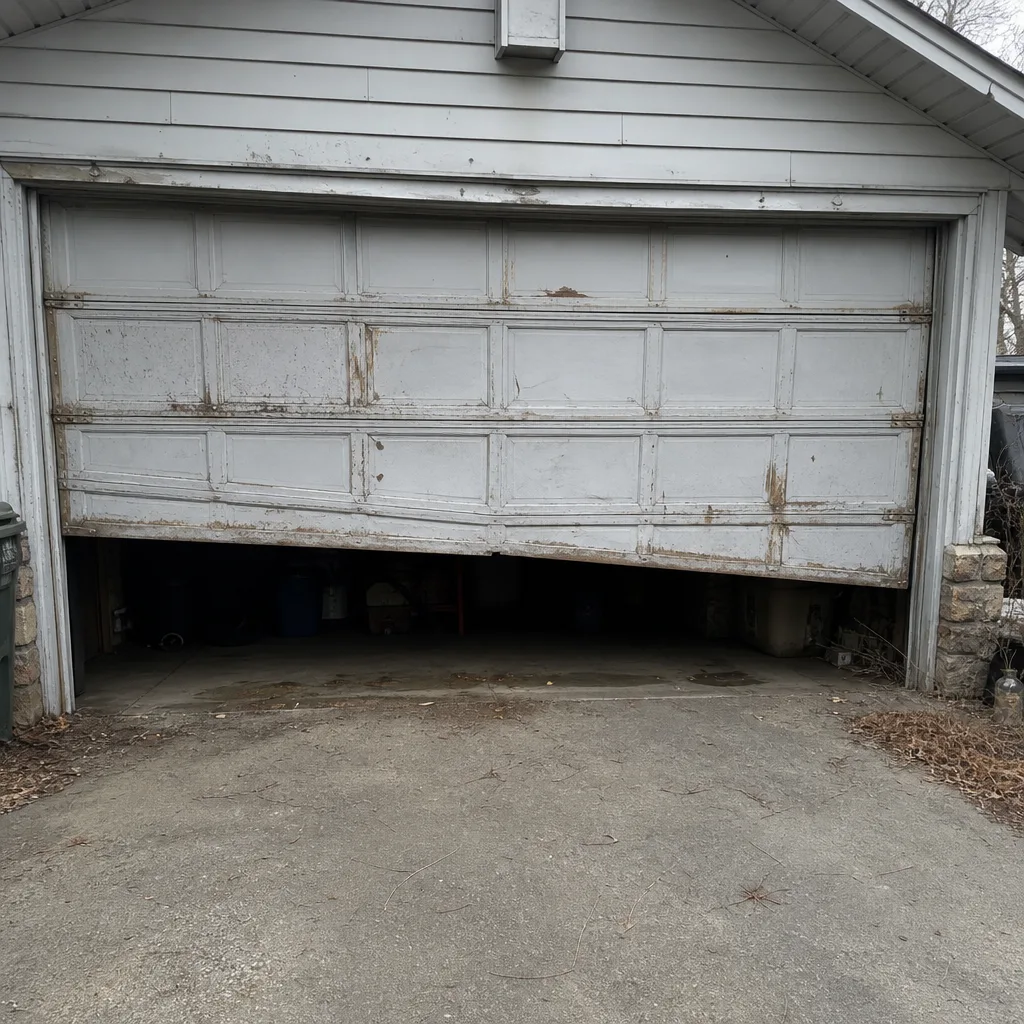 Before
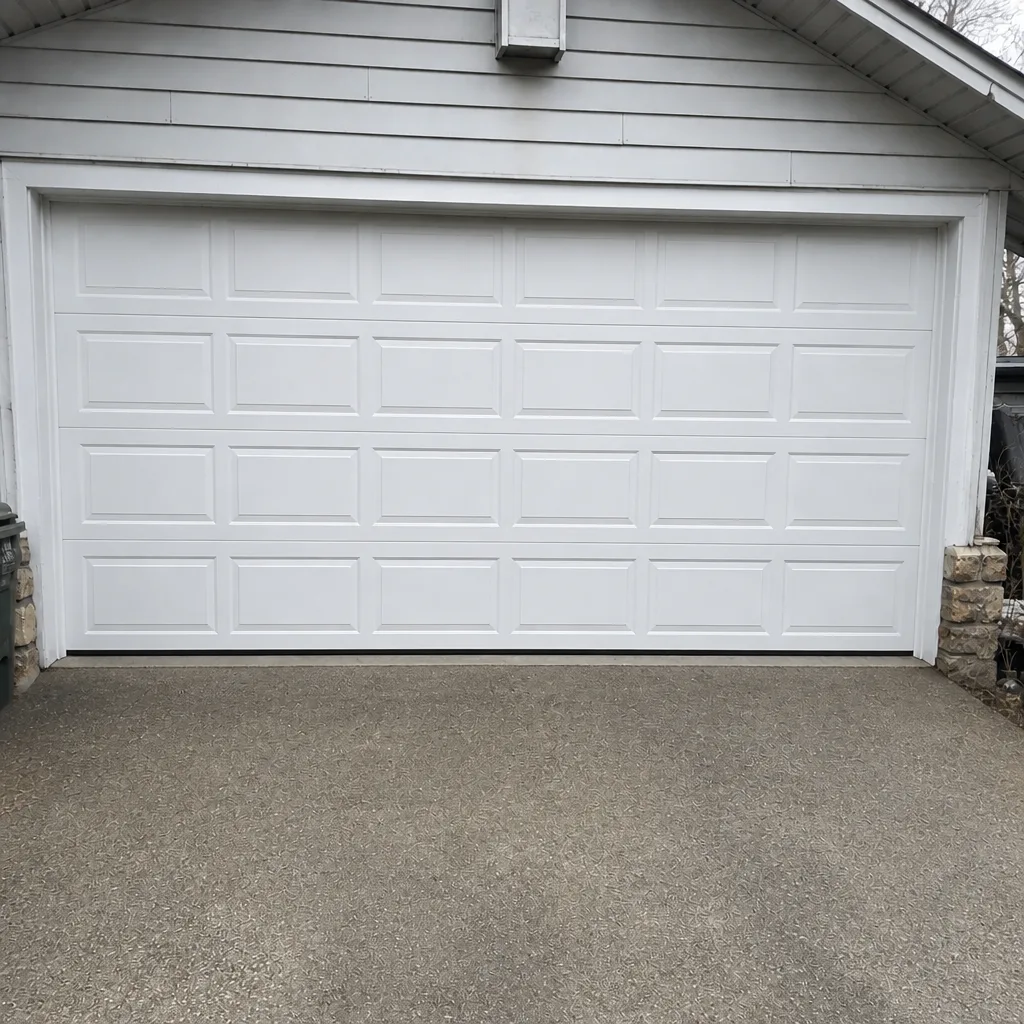 After
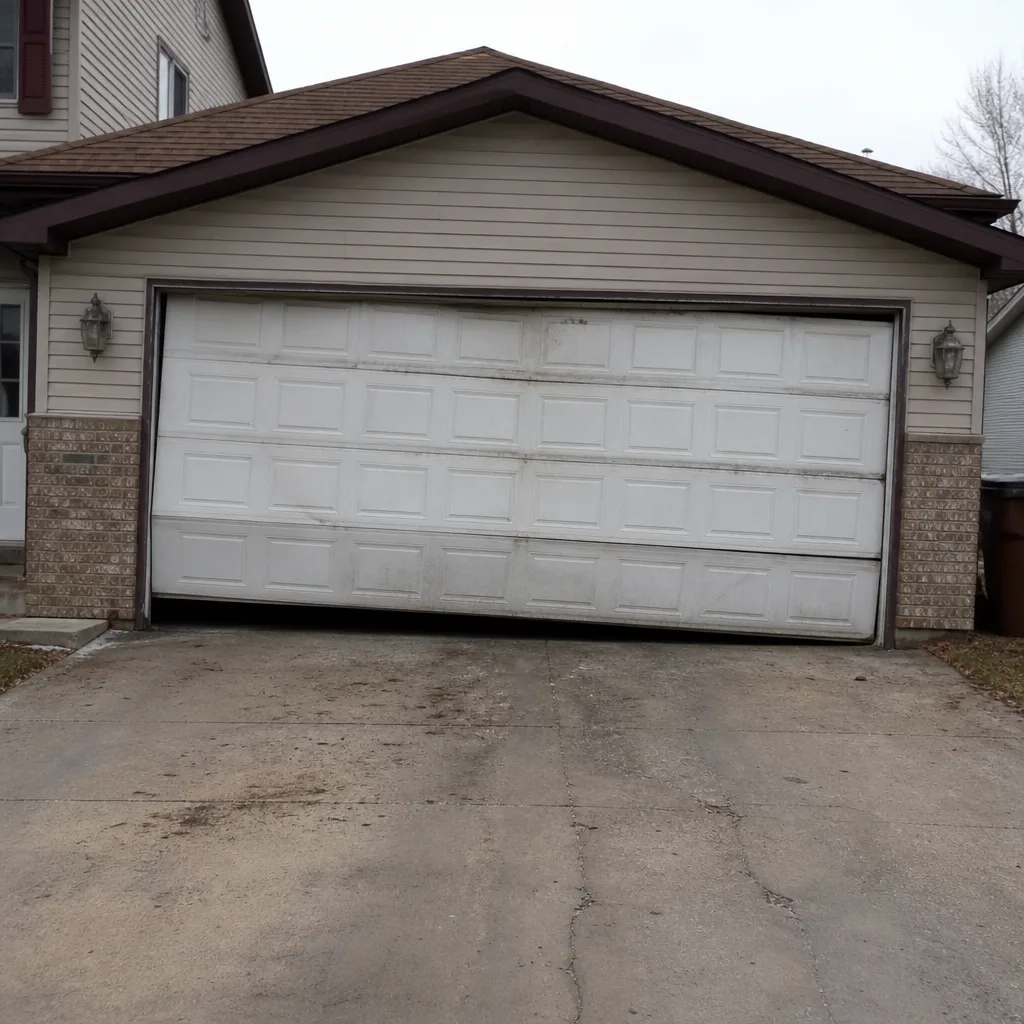 Before
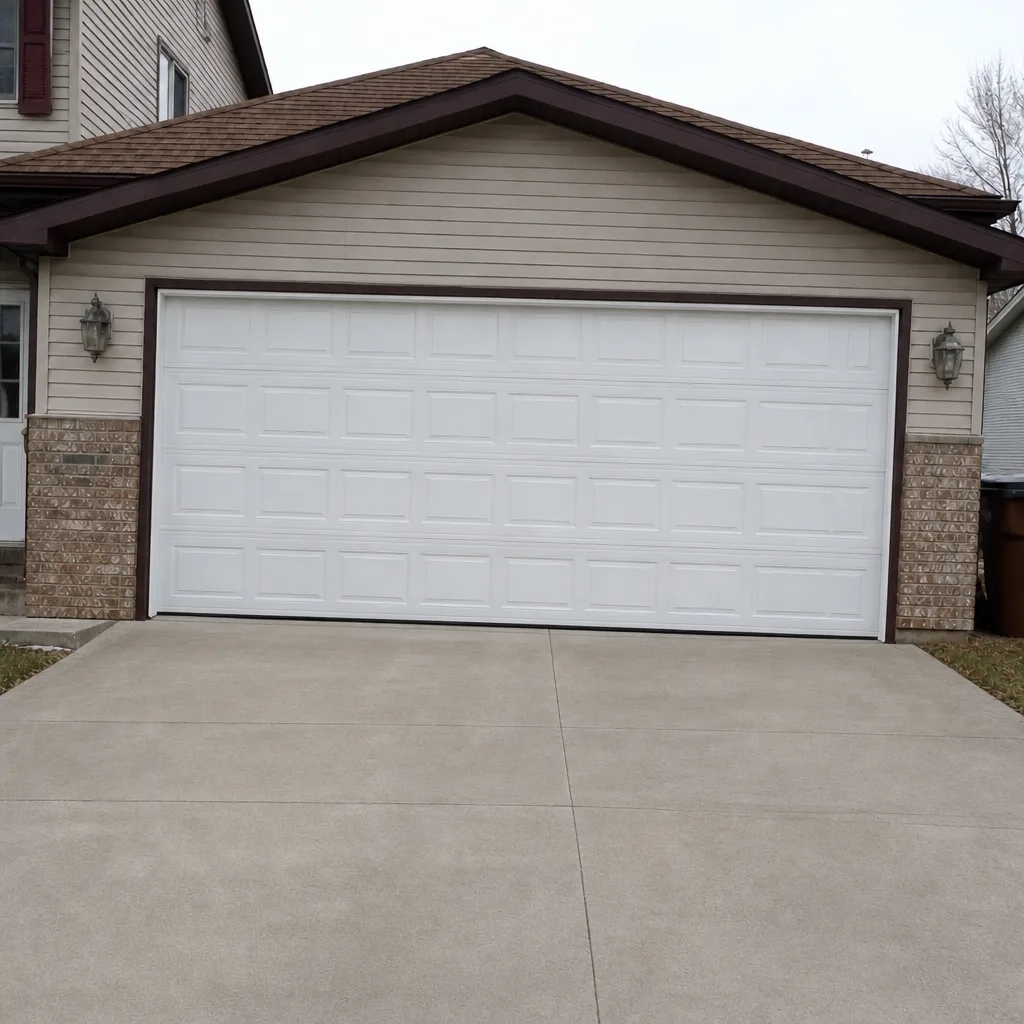 After
When to Call a Professional
Some garage door work is genuinely a bad idea to attempt at home, permit or no permit. Springs under tension, cables at high load, doors that have jumped track, and anything involving the opener’s electrical connections all sit in that category. The risk isn’t theoretical. Torsion springs alone can cause serious injury without the right winding bars and knowledge of the load.
Call us when the spring breaks, when the door won’t close, when the opener runs but the door doesn’t move, when a door is off track, or when you’re planning a full replacement and want a straight answer on permits before you commit. We offer free estimates in Shakopee. Our garage door opener repair handles the electrical side; spring work and door repair cover the mechanical side.
Garage Door Repair Shakopee connects you with vetted local professionals. Spring work, door repair, opener service, and full installation – one call. Call (866) 479-4598. We answer 24/7. Fast dispatch from 7am to 7pm, Sunday through Friday.
Frequently Asked Questions
Sometimes. A full door assembly replacement on an attached garage generally requires a permit because the door is part of the fire separation between the garage and the living space. A repair – spring, cable, roller, or opener replacement – typically doesn’t. Confirm with the City of Shakopee’s building department before work starts so there are no surprises later. Call (866) 479-4598 for a free estimate if you’re weighing a repair versus a replacement.
No. Replacing a garage door opener, remote, wall button, or safety sensor does not typically require a permit because it’s an equipment replacement rather than structural work. The opener still has to meet modern safety requirements for reverse-on-obstruction and photoelectric sensors, and it needs to be adjusted so the door runs cleanly. Call (866) 479-4598 for a free estimate on an opener replacement.
Fire separation requirements between the garage and the living space are the core concern under the Minnesota State Building Code. Where a door assembly sits within that separation, it may need to be a fire-rated product, and the rating must match what the code requires for the location. Doors between the garage and the house typically must self-close and self-latch. Shakopee’s building department confirms the specifics for your address. Call (866) 479-4598 if you want a licensed local pro to review the existing door before you replace it.
It can. Unpermitted work shows up during the buyer’s home inspection, and it usually leads to a permit correction or a price adjustment in the buyer’s favor. In a competitive market, buyers move on rather than wait through a correction. Keeping the permit and the signed inspection record is a small investment against a real problem later. Call (866) 479-4598 for a free estimate on a compliant replacement.
Ask whether the project requires a permit, who pulls it, what inspections are scheduled, and what documentation you’ll receive at the end. Confirm the contractor is licensed and insured as the state requires, and ask for a written estimate that names the specific brands going in – LiftMaster and Chamberlain openers, for example, or a Clopay or Raynor door. Get the price quoted and agreed before any work starts. Call (866) 479-4598 for a free estimate.
Often, yes. Repair calls for springs, cables, rollers, and openers are usually handled on a same-day basis. Full installations are different: they’re measured, ordered, and scheduled around the permit process, so they move on a project timeline rather than a same-day one. Call (866) 479-4598. We answer 24/7, and fast dispatch runs from 7am to 7pm, Sunday through Friday. Estimates are free.
The Bottom Line
Most garage door work in Shakopee doesn’t need a permit. Springs, cables, rollers, tracks, and openers are repairs, and repairs sit outside the permit line. What does need a permit: full door replacements on attached garages where the door is part of the fire separation, changes to the rough opening, and any structural work around the door. Minnesota’s building code cares about fire separation, and the City of Shakopee’s building department confirms what applies to your address. The practical move is simple: ask the question before you order equipment, get a clear answer, and keep the paperwork. A permit is a small step; skipping one you needed is the expensive one.
Written by the team at Garage Door Repair Shakopee.