
Last updated November 23, 2026
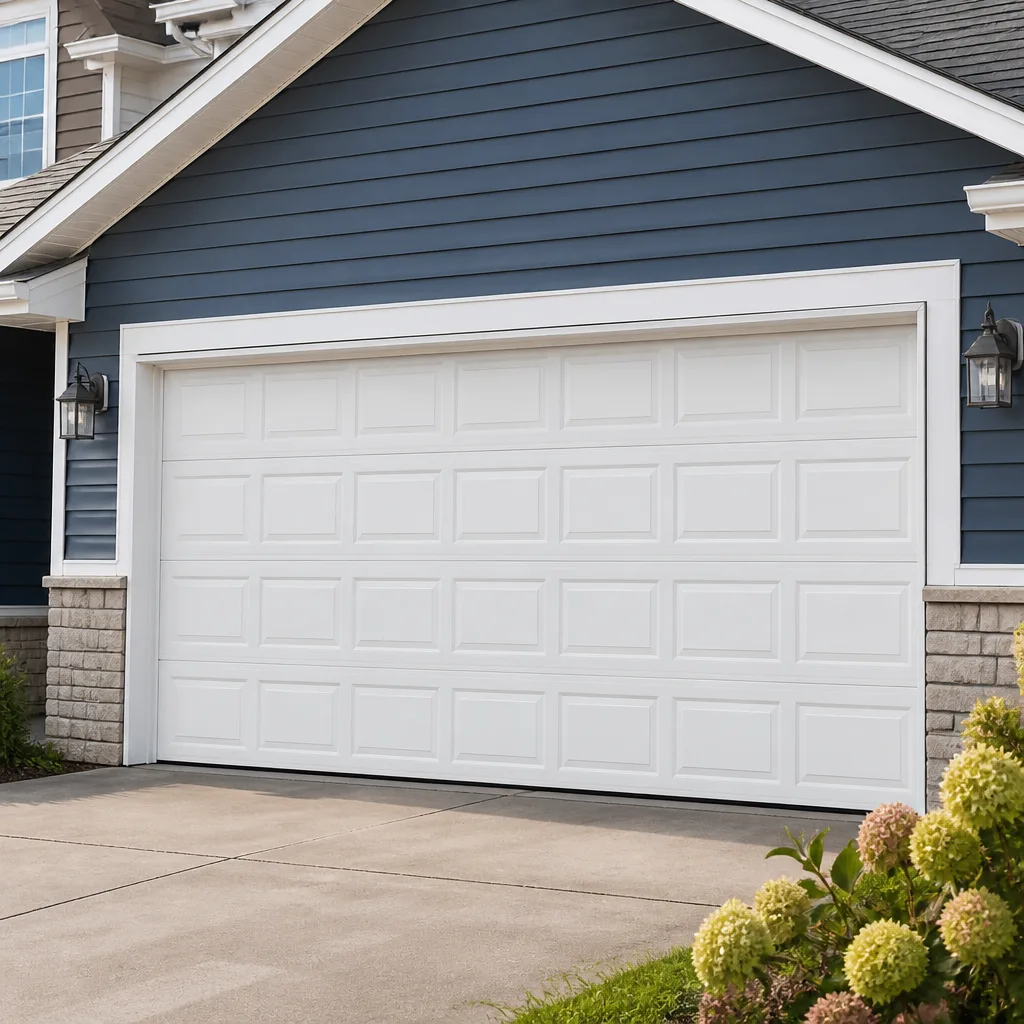 Raised-panel steel
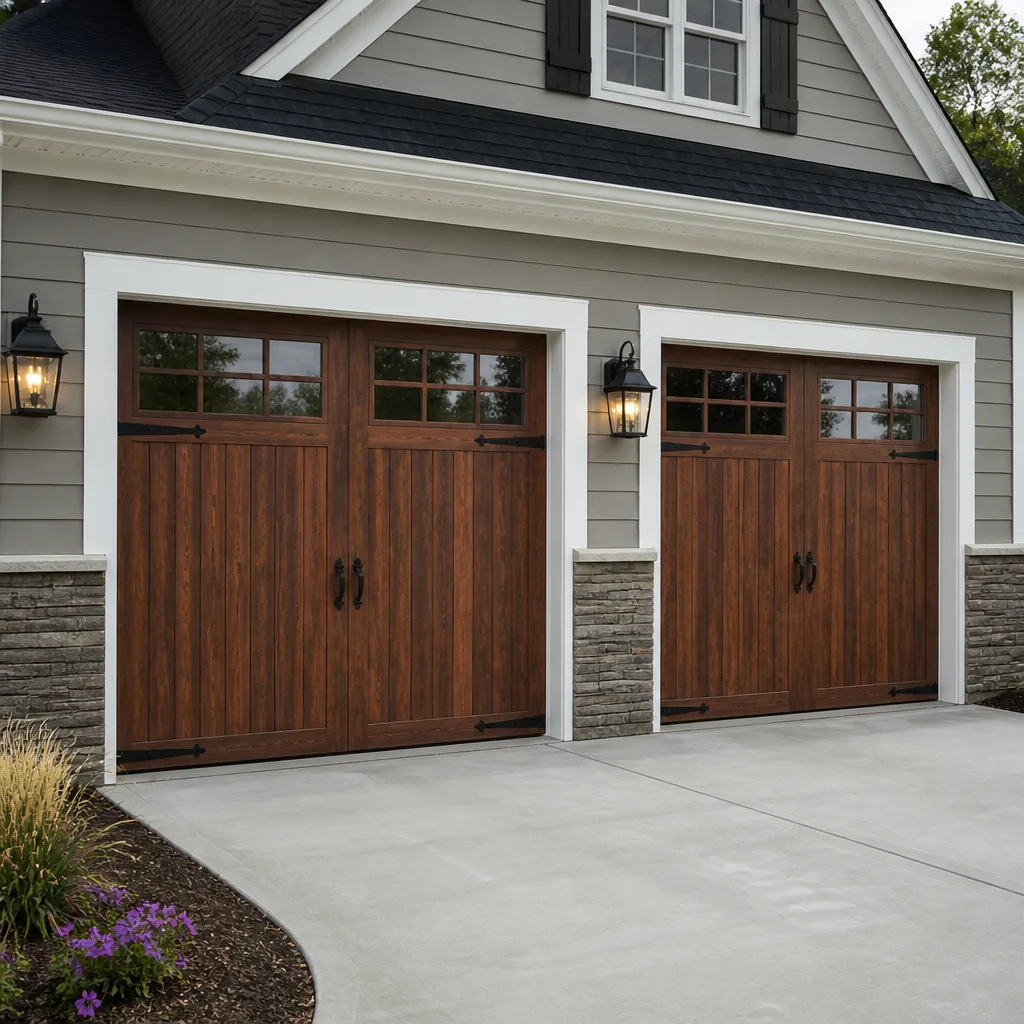 Carriage house
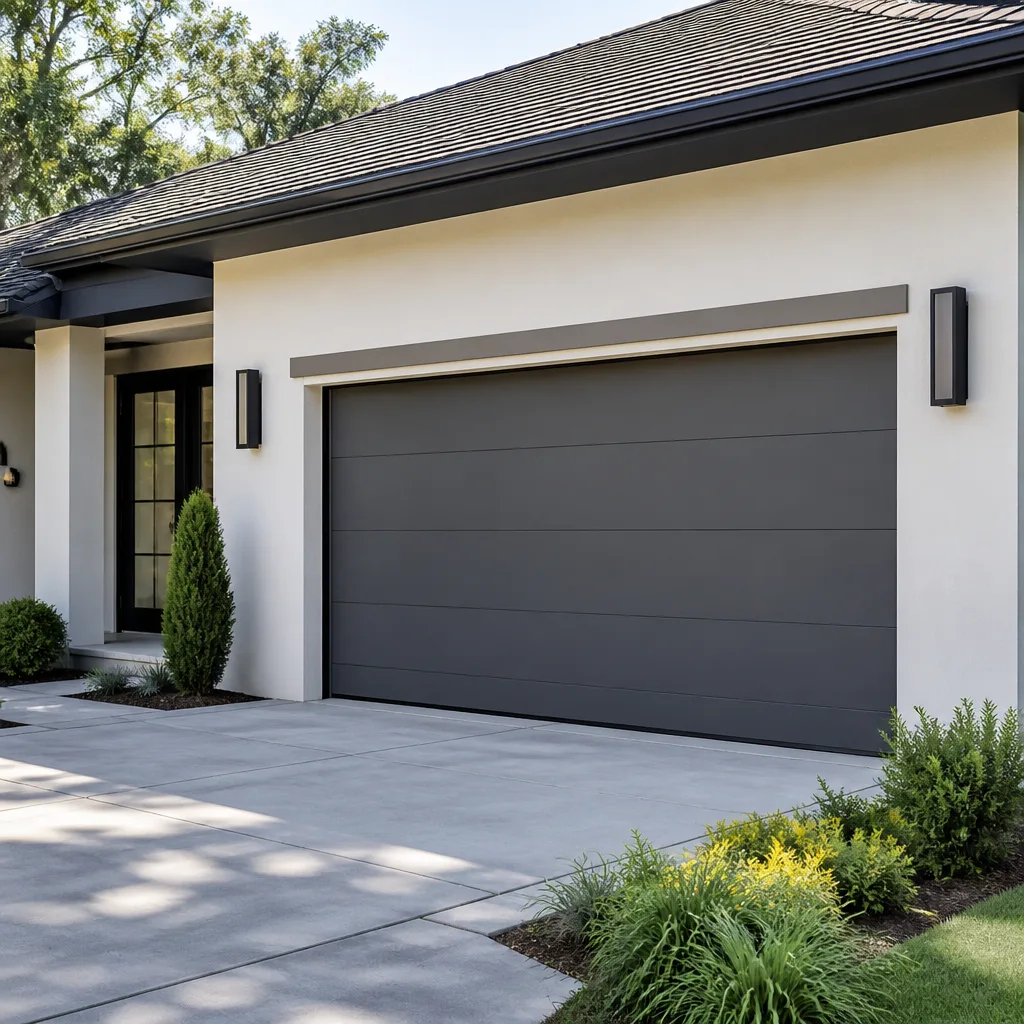 Modern flush
 Full-view glass
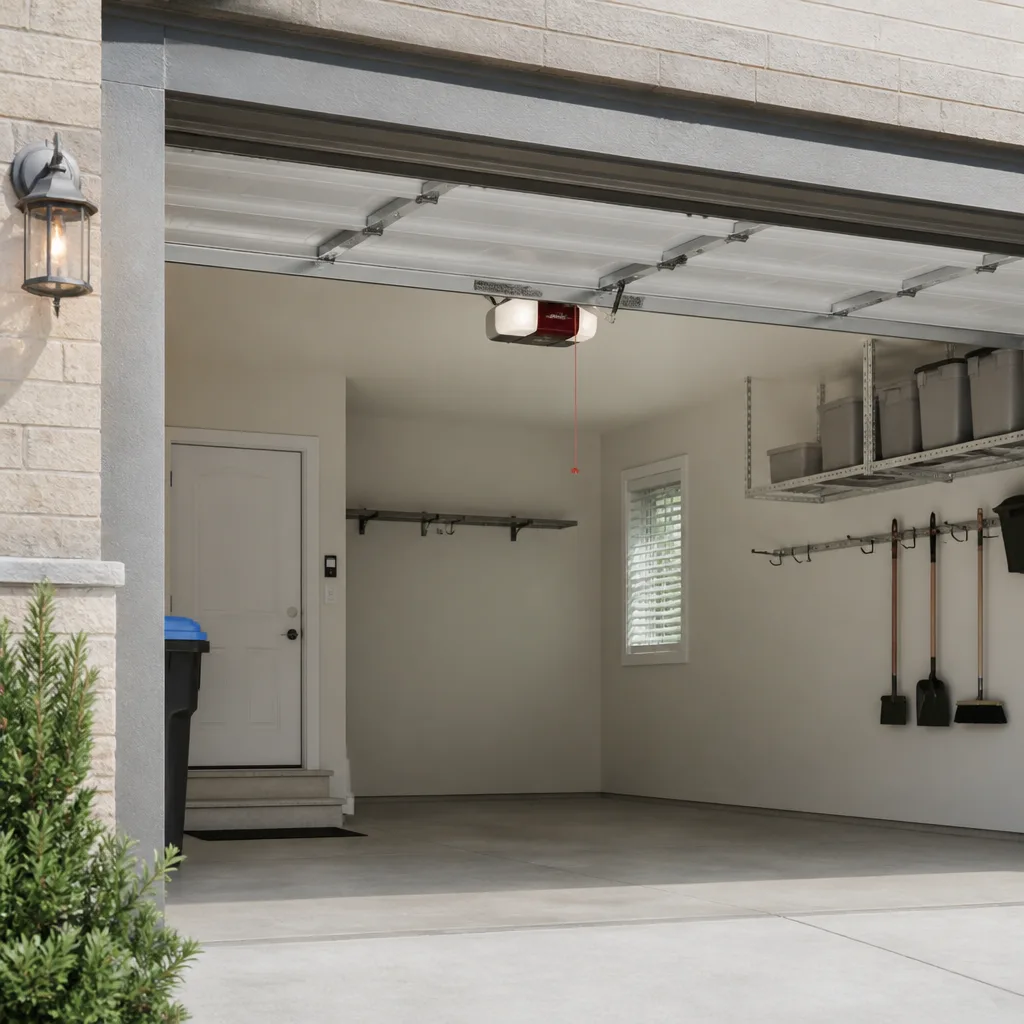 LiftMaster openers
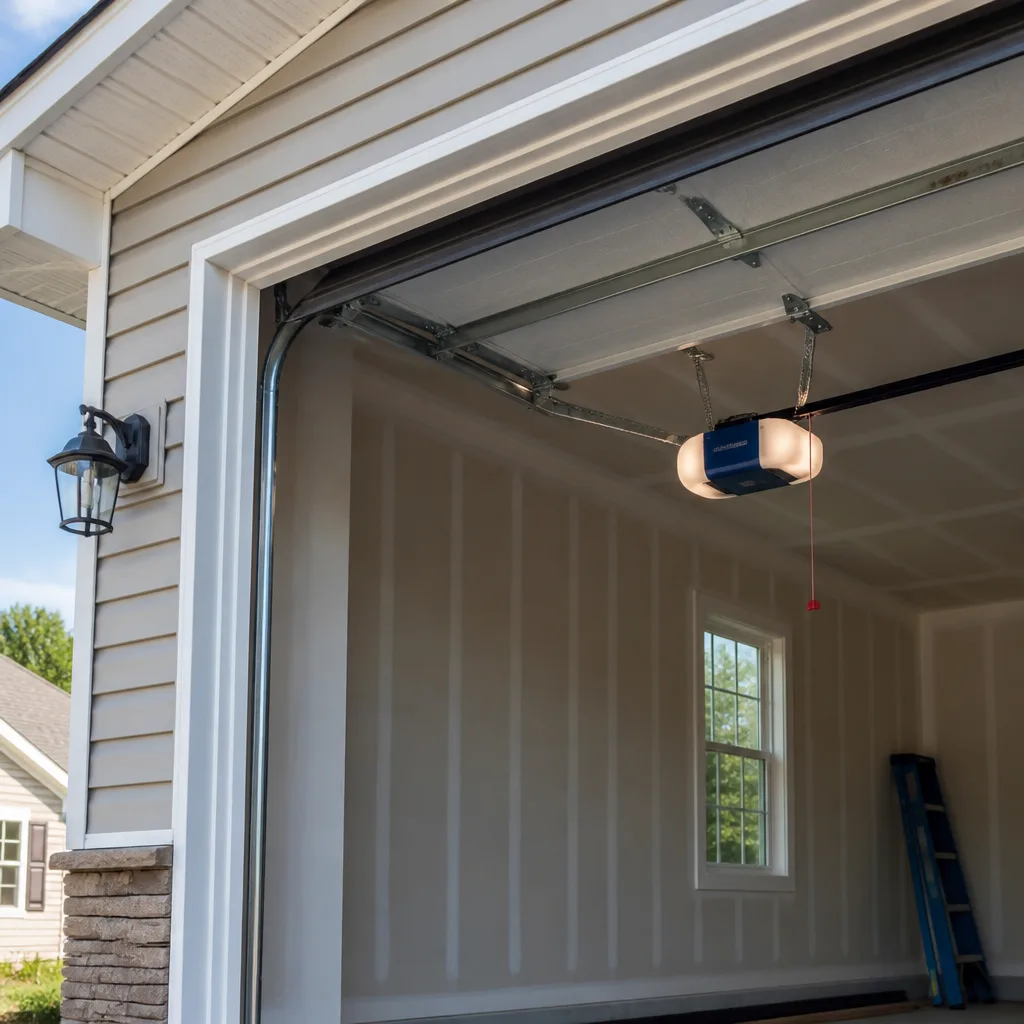 Chamberlain openers
Full 25-point door and opener safety check with every visit - springs, cables, rollers, tracks, and your LiftMaster or Chamberlain opener included
You get a price before we start. It does not change when the pro arrives.
Get your free estimateDIY vs Professional Garage Door: The Shakopee Homeowner’s Decision Guide
Most DIY versus professional debates treat every garage door task the same way, and that’s where they lose people. Lubricating your tracks takes ten minutes and a can of spray lube. Replacing a torsion spring is a different category of risk entirely. The honest answer isn’t “always hire a pro” or “try it yourself first” – it’s task-specific, and it depends on what’s actually broken. This guide draws that line for Shakopee homeowners, task by task, so you can decide with clear information instead of guesswork or a sales pitch.
Quick Answer
You can safely handle garage door maintenance yourself – lubrication, track cleaning, hardware tightening, and balance testing. Anything involving torsion springs, cables, or the door’s counterweight system should go to a trained technician, because those components store enough energy to cause serious injury when they fail. Openers and panel replacements sit in the middle: safe to diagnose, worth hiring out for the actual repair.
Styles & brands we work with
- Raised-panel steel
- Carriage house
- Modern flush
- Full-view glass
- LiftMaster openers
- Chamberlain openers
Table of Contents
- Which garage door tasks are safe to DIY in Shakopee?
- Why springs are the wrong kind of DIY risk
- The real cost of DIY vs professional repair in Shakopee
- What voiding a manufacturer warranty actually looks like
- How Shakopee winters change the DIY equation
- The middle path: prep work that cuts professional labor time
- When to stop and call a professional
- Frequently asked questions
Which garage door tasks are safe to DIY in Shakopee?
A competent homeowner can handle roughly half of the routine maintenance on a garage door, and the other half needs tools and training most people don’t have. The dividing line is stored energy. If a task involves releasing or adjusting a component that holds tension, it’s not a homeowner job. If it involves cleaning, checking, or tightening something that doesn’t move under load, it’s fair game.
Safe DIY tasks in Shakopee:
- Lubricating rollers, hinges, and the torsion shaft bearings with a spray lubricant
- Cleaning tracks with a rag and wiping away built-up grit and debris
- Tightening hinge bolts and track mounting brackets with a socket wrench
- Testing the balance of the door by hand (lifting it to the halfway point and letting go)
- Testing the safety reverse feature with a piece of wood on the floor
- Replacing the battery in your remote or keypad
- Cleaning the photo-eye lenses on either side of the door opening
Tasks that need a professional, regardless of confidence:
- Torsion spring replacement or adjustment
- Extension spring replacement
- Cable replacement or adjustment
- Roller and hinge replacement where the door must be supported and cycled under load
- Track realignment after a door comes off its rollers
- Opener logic board or capacitor replacement
- Panel replacement on an insulated door
In Shakopee, most of the calls we get come from homeowners who tried to save a few hundred dollars and ended up with a door that won’t close, a bent track, or an opener that ran itself to failure after the door bound up mid-travel. The overlap between “safe to try” and “worth trying” is smaller than most guides admit. If the task is on the second list, the honest move is to book a technician. If it’s on the first list, do it yourself and save the money.
Why springs are the wrong kind of DIY risk
A torsion spring on a standard residential garage door holds enough stored energy to lift a 200-pound door off the ground, and it does this by being wound to a tension that most people underestimate by a wide margin. When a torsion spring snaps, it doesn’t just come loose – it releases that stored energy in a fraction of a second. The recoil has thrown tools across garages and caused serious injuries to technicians and homeowners alike when the wrong tool met a wound spring. That’s the mechanical reality.
The geometry of a torsion system matters here. The spring is wound around a steel shaft above the door, tensioned to counterbalance the door’s weight, and locked at both ends. To replace it, a technician has to unwind the existing spring in a controlled way, remove it, install a new one, and wind it to a specific number of turns based on the door’s weight and height. Getting the turns wrong by one or two in either direction means the door either won’t stay open or slams shut when you pull it down. There’s no middle setting and no safe way to test it without the door in place.
Extension springs, common on older Shakopee homes where the door was installed before torsion became standard, carry the same energy in a different form. They also need a safety cable run through the center to contain the spring if it breaks, and many older installations don’t have one. If you’re lying on the floor looking up at an extension spring with no cable through the middle of it, that’s a real safety issue, and it’s worth having a technician look at it before the spring fails on its own schedule.
In our experience, the moment a homeowner hears “we have to unwind it” is the moment they stop asking whether they can DIY this part. Springs are the most dangerous component on any residential door, and replacing one is the kind of job that demands a specialist with the right winding bars, the right training, and the right experience. Our technicians have up to 14 years of experience, and every one of them treats a wound torsion spring as live equipment. That’s the correct posture.
The real cost of DIY vs professional repair in Shakopee
Homeowners tend to compare the price of a part on a shelf against the price of a repair call, and that comparison is wrong in both directions. It undercounts the DIY side (tools, time, and callbacks) and it undercounts the professional side too (diagnosis of the actual failure, warranty on the work, and the parts cost baked into the written estimate). Here’s how the math actually runs for the common tasks in Shakopee.
- Torsion spring replacement (one spring): A professional job typically runs $180-$340 for a single spring; a matched pair is usually replaced together and costs about twice that. DIY is not on the table here.
- Opener repair (board, capacitor, or gear): Typically $150-$300 professionally. A replacement opener costs $120-$250 for the unit alone, plus the time to remove and reinstall the whole rail assembly. Worth it if you’ve installed an opener before; not worth it as a first attempt.
- Panel replacement (single panel): Typically $250-$600 installed, depending on the door series. A Clopay or Amarr replacement panel ordered to match can sit at the top of that range because of color and profile match. DIY is possible but panel alignment and window seals are where it goes wrong.
- Roller and hinge replacement: Often $150-$300 for a full set, professionally. The parts are cheap; the door has to be supported and cycled. This is where DIY tool rental (jacks, sawhorses) eats most of the savings.
- Track realignment after a door comes off: Typically $150-$350. If the door came off, there’s usually a reason: a bent track, a broken roller, or a spring that failed first. A homeowner fix on the track without addressing the cause means the door comes off again.
The professional side of this comparison includes a written estimate you agree to before any work starts, a diagnosis of why the part failed (not just what failed), and a call-out that covers the door and the opener system together. That last point matters more than most homeowners realize: an opener problem and a door problem look almost identical from the driver’s seat. If you replace the opener and the actual issue was a binding door, you’ve spent the money and still have a problem.
For the door itself, the repair scope matters in the estimate. If you want a baseline on what a full garage door repair costs in this market, the written quote will reflect the specific failure, not a general range. That’s the number to compare against the DIY side, not the price of the part.
What voiding a manufacturer warranty actually looks like
Most homeowners think voiding a warranty means the whole thing is gone the moment you touch the door. That’s not how it works. Garage door and opener warranties are specific about which parts are covered and under what conditions. The triggers that matter are usually installation-related, not maintenance-related, and understanding the difference affects what’s safe to do yourself.
What typically voids a manufacturer warranty:
- Installing a replacement part not specified for that model (a Chamberlain opener is expected to run with its specified drive gear, not a generic match)
- Opening the opener motor housing to replace a board or capacitor yourself, which in most cases ends the opener coverage on the spot
- Modifying the door’s structural components or replacing a panel with a non-matching panel that changes the door’s balance and weight distribution
- Installing a garage door opener without the manufacturer’s specified reinforcement bracket for that door type
What usually does NOT void a warranty:
- Lubricating the tracks and rollers per the owner’s manual
- Tightening hardware
- Replacing a remote battery or keypad battery
- Scheduling routine maintenance from a qualified technician
The tricky middle one is the opener housing. Homeowners often assume replacing a capacitor or a logic board is a simple swap. On a Genie or Chamberlain unit, the board sits inside a housing that carries a warranty seal on some models and a specific torque spec on the mounting screws that matters for vibration over time. Once that housing is opened, the manufacturer can decline a coverage claim for the whole opener, not just the part you touched. If the opener is still under warranty coverage, that’s a real cost to weigh against the savings.
Door panels carry their own warranty, and the terms usually depend on the panel matching the original series. A Clopay panel ordered in the correct series and color can stay within warranty. A panel fitted to a different profile to save money can void the coverage on the door’s structural rating. If you’re replacing a panel, matching the OEM series is not just cosmetic – it’s the line that determines whether the panel is covered. If you’re not sure which series your door is, that’s when it’s worth having a technician look at it before you order anything. Our team works on garage door installation and replacement with the same brand-specific knowledge as repair, and we can usually identify the door’s series from the panel profile and the opener model.
How Shakopee winters change the DIY equation
A garage door in Shakopee runs through a much harder cycle than the same door in a mild climate. The freeze-thaw cycle in the Twin Cities metro pushes garage door hardware through temperature swings that expand and contract metal, stiffen lubricants, and stress the springs and cables in ways homeowners in warmer parts of the country don’t see. That climate context changes which DIY tasks are actually safe and which are higher-risk in this specific city.
The two hardest months are usually January and February, when a door that ran fine in November starts groaning, binds, or won’t open at all. Cold weather stiffens lubricants on the rollers to the point where the drag is enough to strain the opener motor. Homeowners often misdiagnose this as an opener problem and go straight to replacing the unit. It’s usually a lubrication and roller issue, and a can of spray lube plus new rollers fixes it at a fraction of the cost. That’s a genuinely good DIY call, and it’s one of the few where the DIY savings land cleanly.
The other side of the Shakopee climate is the spring side. Cold temperatures make torsion springs more brittle, and that’s when they tend to snap. A spring that fails at 20 degrees carries the same energy as one that fails in July, but it’s more likely to fail, and the door is more likely to be stuck down in a snowstorm. If you’re hearing a loud bang from the garage on a cold night and the door won’t lift the next morning, that’s a spring failure and it’s not a DIY repair. Book a technician. A trained technician replaces springs with the door in a controlled position and the system wound and unwound with proper tools – not something to attempt in a freezing garage with a door that won’t move.
The other local factor is the age of Shakopee housing stock. The city’s older neighborhoods carry a mix of doors from manufacturers that have since changed ownership or line names, and the parts match is not always obvious. A Craftsman opener in an older Shakopee home may not have a direct replacement part sold in retail today. That’s where specialist knowledge pays off: knowing the brand, the model generation, and the current compatible part is a better use of time than ordering the wrong part twice. Shakopee’s newer subdivisions tend to run on Chamberlain and LiftMaster openers paired with insulated Clopay or Amarr doors, which have a much easier parts path. Either way, the city’s swing between subzero nights and thawing afternoons makes routine maintenance a higher-value habit than it would be elsewhere.
The middle path: prep work that cuts professional labor time
There’s a third option that most DIY vs professional guides skip entirely. Homeowners can do some of the front-end work themselves so a technician’s time on the actual repair is shorter. That lowers the total cost without putting anyone near a wound spring. The key is to only touch tasks that don’t involve stored energy or structural changes.
Prep work you can do before a technician arrives in Shakopee:
- Clear the garage floor in front of and around the door. A technician needs a safe work area. Moving cars, stored items, and boxes out of the way is real labor time saved.
- Note the door’s symptoms in order. When does it make the noise? Is it a grinding sound mid-travel or a clunk when it reaches the top? Is the door binding on one side? A clear symptom list shortens diagnosis.
- Test the balance and safety reverse yourself, and write down what happens. If the door stays halfway up when you let go, tell the technician. If the reverse feature doesn’t trip on a piece of wood, tell them. This is safe to test and saves a step.
- Identify the brand and model of the door and the opener. The label on the opener motor usually carries the model. The door’s brand is often stamped on a hinge or the bottom bracket. Knowing whether you have a Genie or a Chamberlain opener shortens parts sourcing.
- Check whether the door is under manufacturer warranty. If the opener or panel is covered, that changes the repair plan from replacement to warranty service.
- Lubricate the tracks and rollers in advance if the issue is binding. A properly lubricated door that still binds is a real diagnosis. A dry door that binds might just be maintenance. Either way, doing the lubrication first is a legitimate DIY step.
This is the route we recommend to the most homeowners who live in Shakopee and value their time. Do the low-risk prep, do the routine maintenance, and let the specialist do the actual repair. The cost difference between a full-service call and a prep-and-repair call is meaningful, and it doesn’t put you under a spring. The time saved also lowers the callback rate, because a technician with a clear symptom list is less likely to misdiagnose the cause on the first visit.
When to call a professional
There are specific moments when the DIY decision stops being reasonable and the only sane next move is a call. If the door won’t lift at all and you’ve confirmed a broken spring, call. If you hear a bang from the garage and the door sags on one side, call. If the door is off its track and stuck in the opening, call. If the opener runs but the door doesn’t move, call. If the door reverses randomly or fails the safety test, call.
In our experience, the calls that come in fastest are the ones from homeowners who already tried the DIY route and realized halfway through that they were over their head. There’s no shame in that. The springs and cables are the two components where the risk-to-reward math is worst for DIY, and the moment you’re under either one, stop. Emergency service exists for exactly that moment, and same-day service means a stuck door doesn’t sit stuck overnight.
Garage Door Repair Shakopee offers free estimates in Shakopee – call (866) 479-4598. We answer 24/7. Fast dispatch from 7am to 7pm, Sunday through Friday. The written estimate sets the price, and it’s agreed before any work starts. We work on the brand already in your garage, whether that’s a Chamberlain opener, a Genie logic board, a Clopay panel, or an Amarr door. One call covers the door, the opener, and everything in between.
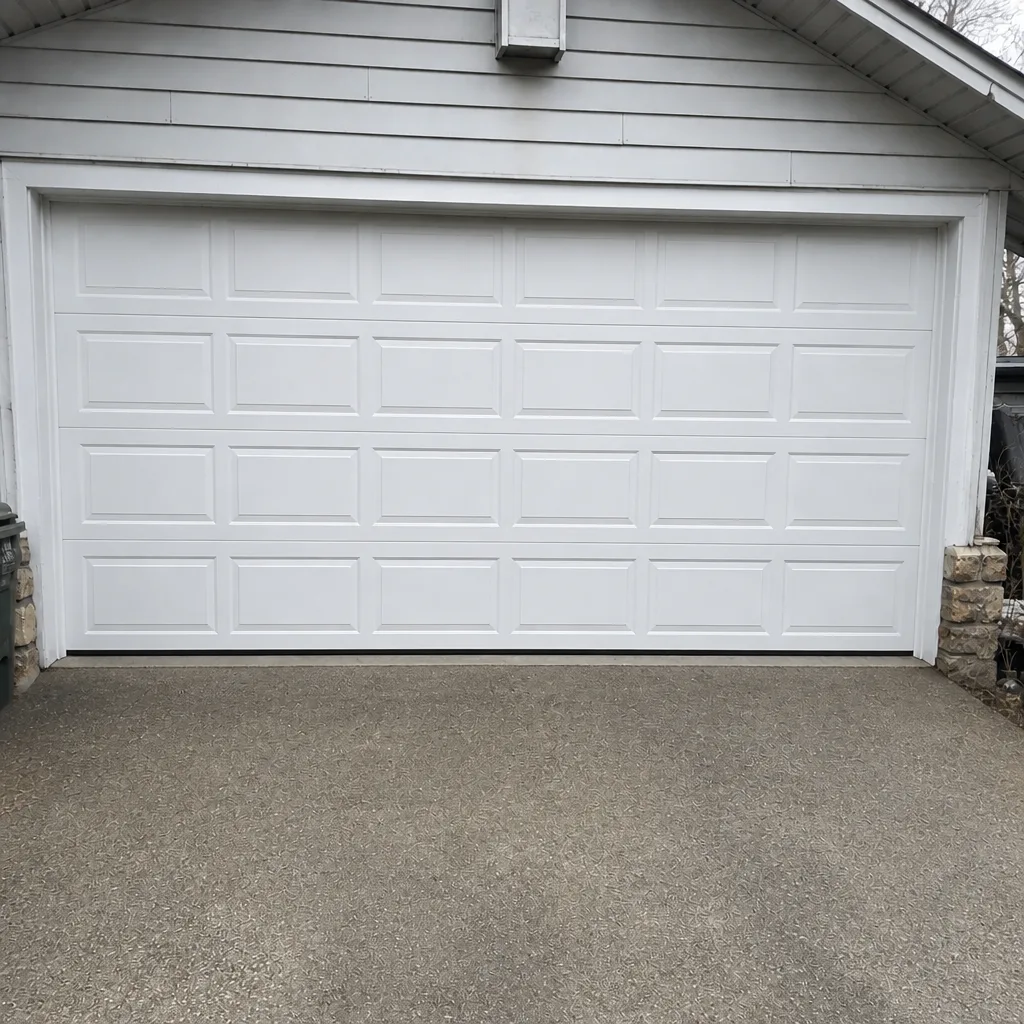
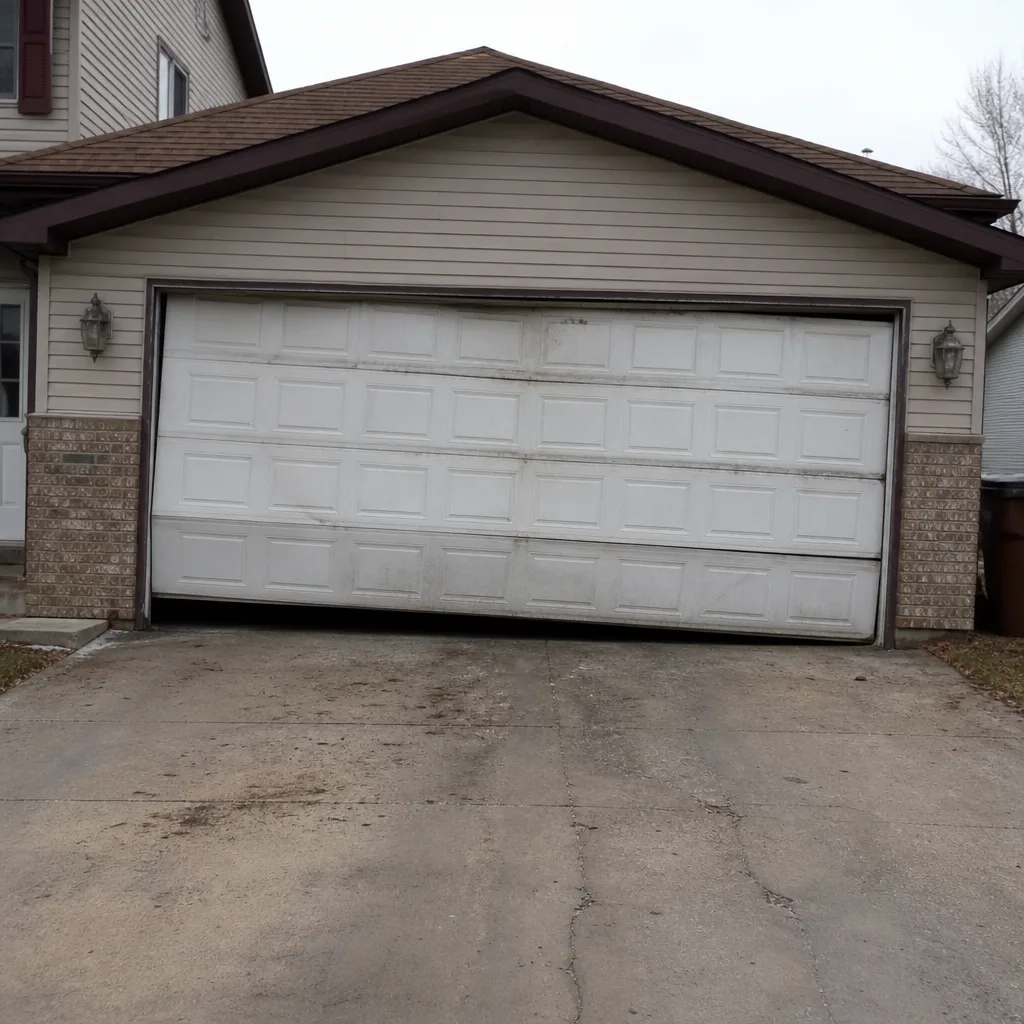
See the difference
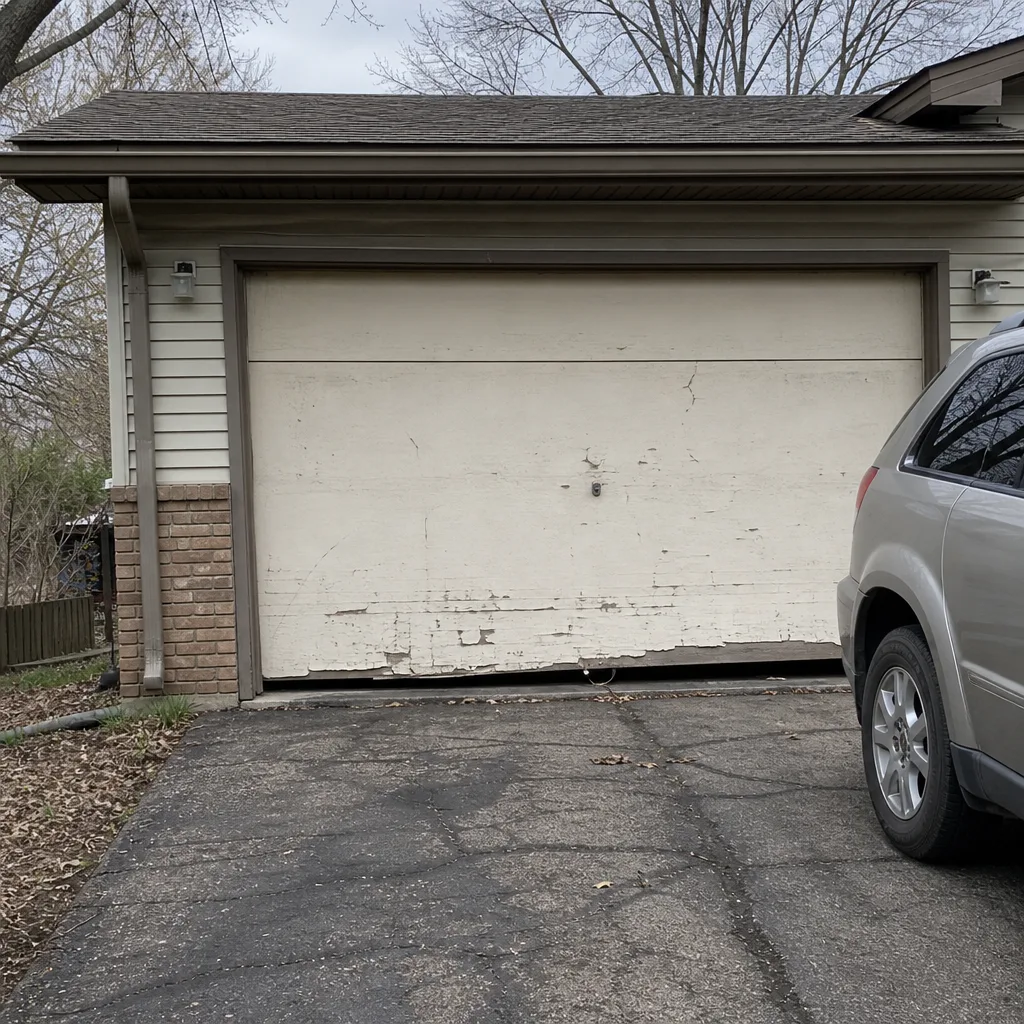 Before
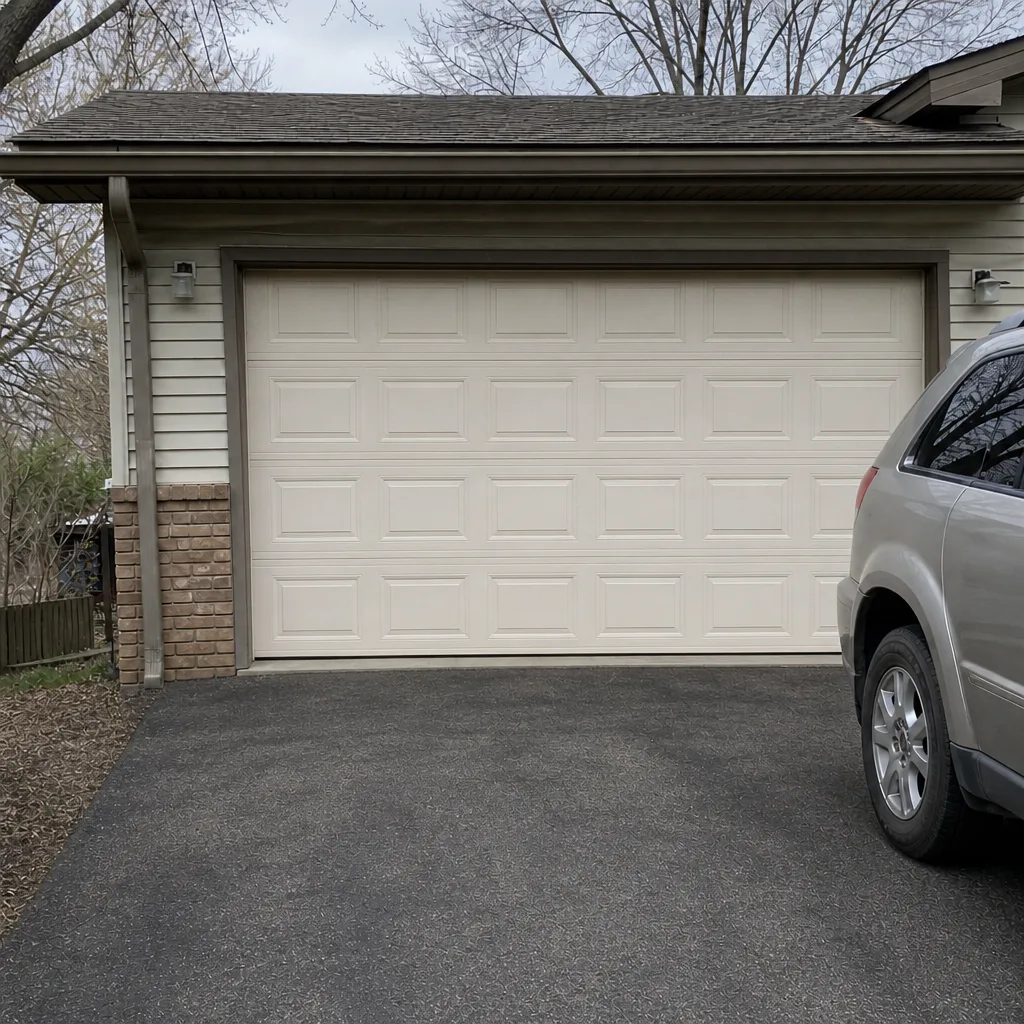 After
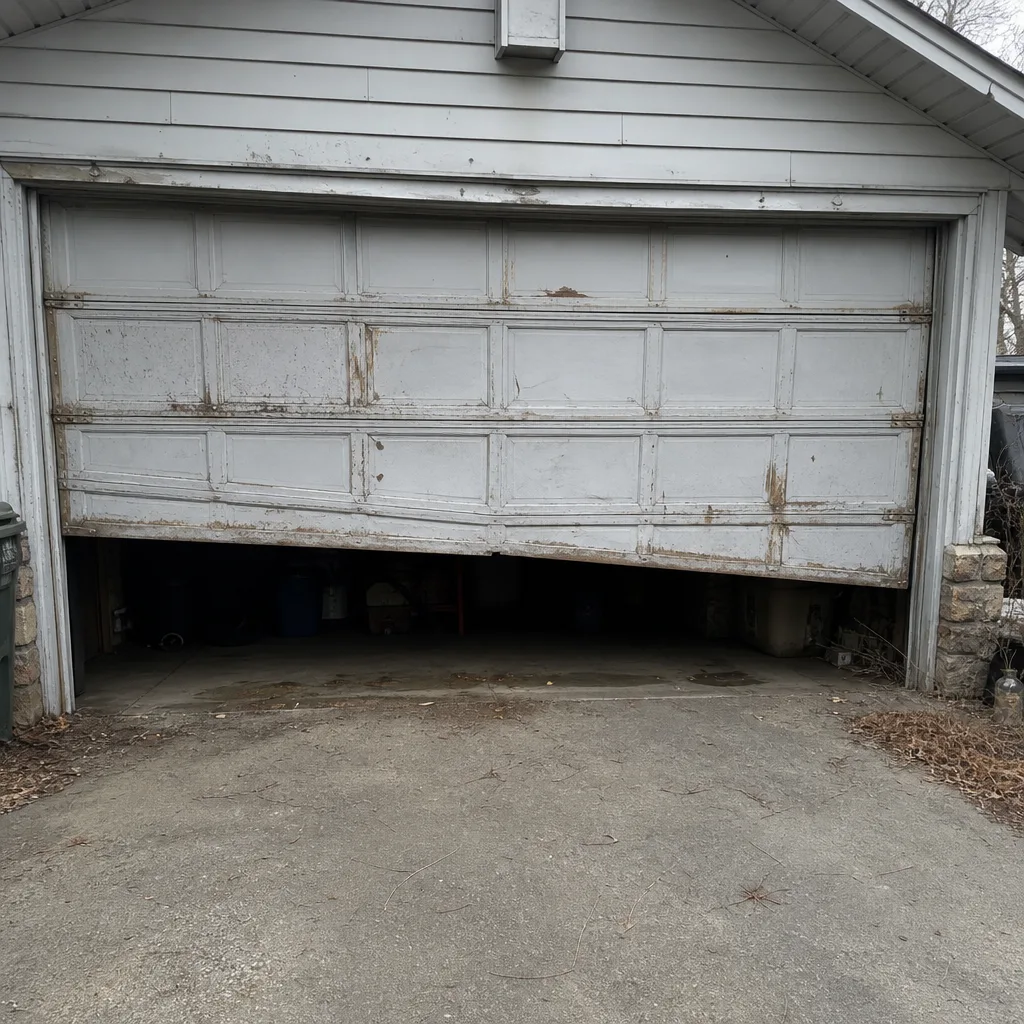 Before
 After
 Before
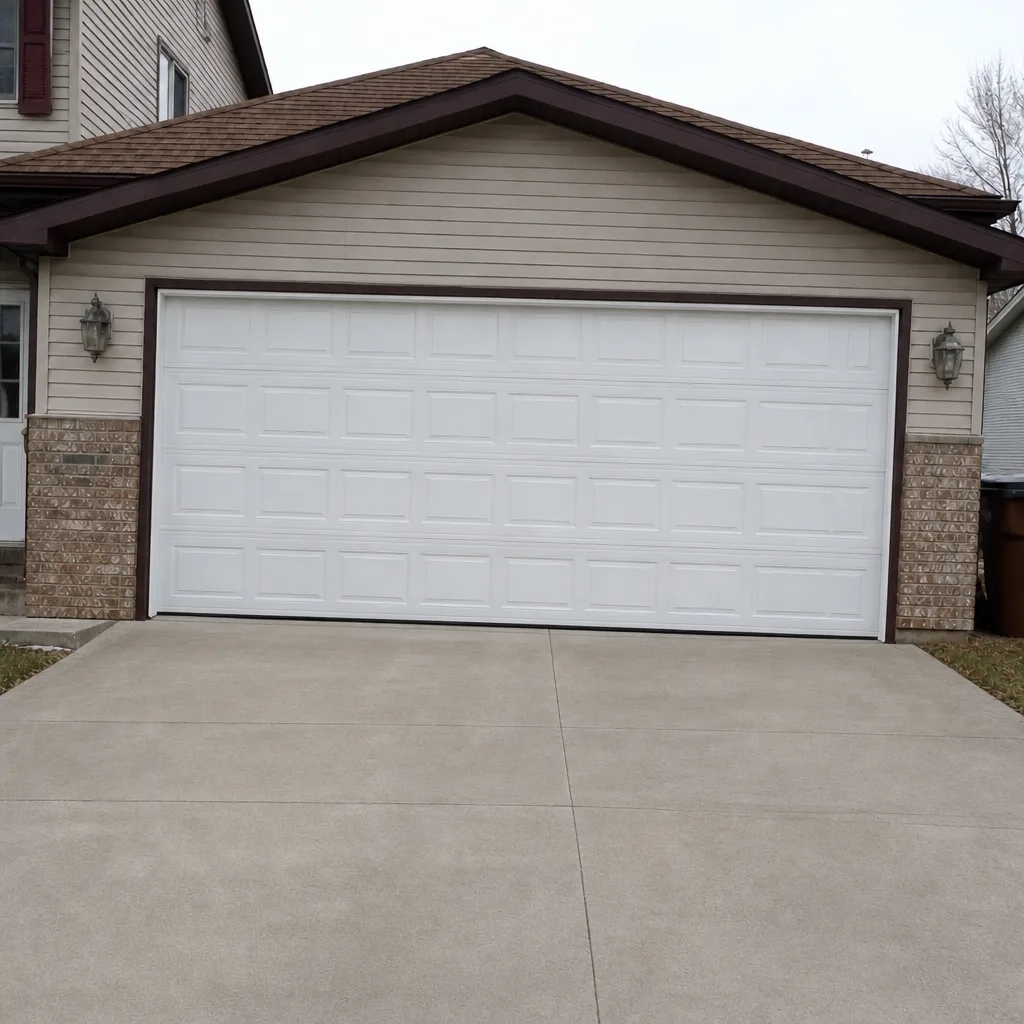 After
Common Mistakes to Avoid
- Winding a torsion spring with the wrong tools. Winding bars look simple and aren’t. Substituting a screwdriver or a piece of steel stock is how injury happens. This is a job for a technician with the right winding bars and training, full stop.
- Replacing an opener when the door is the problem. Homeowners in Shakopee often replace a dead opener that wasn’t dead. A door that binds, a roller that’s seized, or a spring that’s on its way out will stall a perfectly working opener. Diagnose the door system first, not just the opener.
- Opening the opener housing on a unit still under warranty. Replacing a logic board or capacitor inside a Chamberlain or Genie housing can void coverage on the entire opener. If it’s still covered, the repair may be a warranty event, not a parts purchase.
- Ignoring a broken extension spring’s safety cable. Older Shakopee homes often have extension springs without a containment cable. If the spring breaks, the pieces are not held. That’s a call-a-technician item, not a weekend project.
- Overlooking lubrication as a winter habit. A door that groans in January usually needs lubrication, not replacement. Skipping it accelerates wear on the rollers and strains the opener motor over a single season.
- Assuming a track repair fixes the cause. If the door came off the track, something caused it – usually a bent roller, a failing spring, or a misaligned bracket. Straightening the track without addressing the cause means the door comes off again within a few cycles.
- Hiring a general handyman for spring work. Spring replacement is a specialist task, not a general repair. A handyman without the specific tools and training isn’t a savings, it’s a different kind of risk on the same spring.
Frequently Asked Questions
No. Torsion spring replacement is the one task on a garage door that no homeowner should attempt, regardless of skill or tool access. The spring holds enough stored energy to cause serious injury the moment it releases, and the winding process requires specific bars and a trained hand. Our technicians have up to 14 years of experience and treat every wound spring as live equipment. Call (866) 479-4598 for a free estimate.
Spring repair typically runs $180-$340 for a single spring, and a matched pair is usually replaced together at about twice that range. The written estimate sets the final price and is agreed before any work starts. Call (866) 479-4598 for an exact quote – estimates are free.
No. The written estimate is the price. If the diagnosis reveals something different from what we expected on the phone, we tell you before any work starts and re-quote – we don’t add charges after the fact. You’ll know the number before a technician touches the door. Call (866) 479-4598 for a free estimate.
Yes. The local professional who comes to your Shakopee home is licensed as their state requires and carries the insurance required for this trade. You’re working with a specialist, not a general handyman. Call (866) 479-4598 for an exact quote – estimates are free.
You can handle lubrication, track cleaning, hardware tightening, and balance testing yourself at any time of year. Those tasks don’t put you near a wound spring or a high-tension cable. If the door is still binding after lubricating, that’s a sign of a more specific problem – call (866) 479-4598 and we’ll tell you what the diagnosis is before any work starts.
Opening the motor housing to replace a board or capacitor yourself is the most common trigger, and installing non-specified replacement parts is the second. Lubrication, hardware tightening, and remote battery replacement usually don’t affect coverage. If you’re not sure whether your opener is still covered, ask before any repair starts – the answer changes the game plan. Call (866) 479-4598 for a free estimate.
The Bottom Line
DIY vs professional for a garage door isn’t one question – it’s a task-by-task decision, and the line is drawn at stored energy. Lubrication, track cleaning, hardware tightening, balance tests, and prep work are safe, sensible, and save real money. Springs, cables, track realignment after a failure, and anything inside a housing still under warranty belong with a specialist. That’s not a sales pitch; it’s the physics of a torsion system and the terms of a manufacturer warranty. If the task sits on the professional side of that line, a call to a specialist is the responsible move. Garage Door Repair Shakopee offers free estimates and same-day service for the urgent failures – call (866) 479-4598 to get the door, the opener, and everything in between handled in one visit. We work on the brand already in your garage, including Chamberlain, Genie, Clopay, and Amarr, and the written estimate sets the price before any work begins.
Call (866) 479-4598 for a free estimate. We answer 24/7. Fast dispatch from 7am to 7pm, Sunday through Friday. Emergency service, not emergency pricing – the number on the estimate is the number on the invoice.
Written by the team at Garage Door Repair Shakopee.